
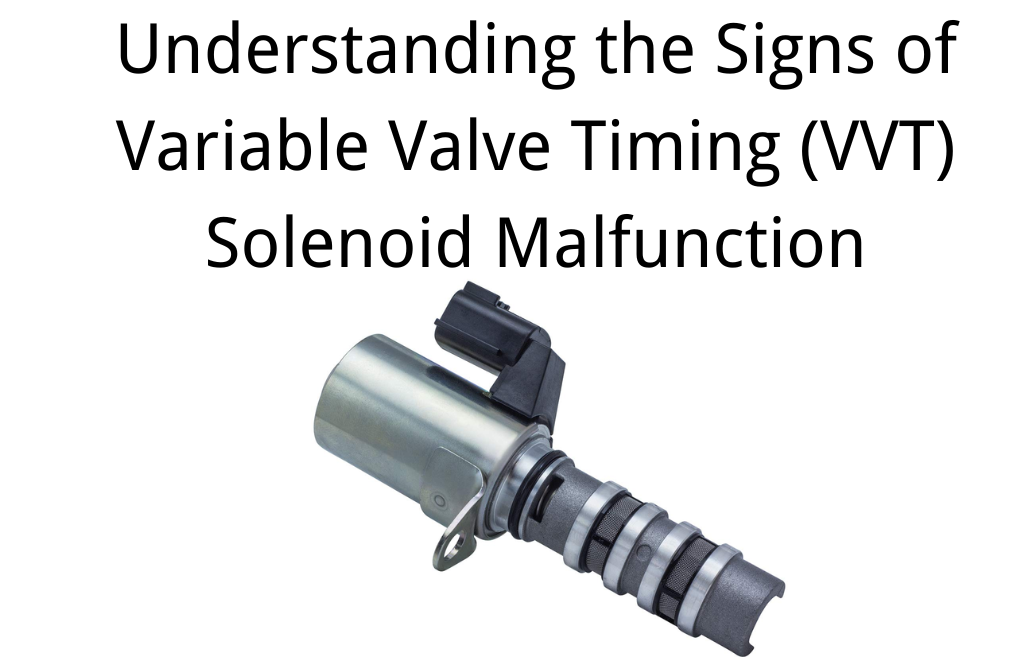
Hey there! Russell here. Let’s dive deep into your car’s Variable Valve Timing (VVT) solenoid and uncover the common symptoms that signal it might be on the fritz. Recognizing these signs early can keep your engine running smoothly and save you from unexpected breakdowns.
What is the VVT Solenoid?
Variable Valve Timing (VVT) is engineered to regulate the flow of oil to the engine’s camshaft. It adjusts based on engine speed, load, and performance demands. This adaptability is most noticeable in enhanced engine responsiveness, improved fuel efficiency, and reduced emissions.
Manufacturers may refer to VVT by different names, uch as Variable Camshaft Timing (VCT) or VVTi, but the core functionality remains consistent across the board. The VVT solenoid (or VCT solenoid) plays a crucial role in this system by regulating oil flow. It ensures your engine operates optimally under various driving conditions by adjusting the valve timing as needed.
Common Symptoms of a Faulty VVT Solenoid
Recognizing the Common Symptoms of a Faulty Variable Valve Timing (VVT) Solenoid is crucial for maintaining your vehicle’s health. Let’s break down the primary signs you should watch out for:
Engine Performance Decline
One of the earliest indicators is a noticeable drop in engine performance. If your car feels sluggish or lacks the usual power, the VVT solenoid might be failing. This component ensures smooth engine operation by adjusting valve timing. When it falters, you’ll likely experience reduced power, inconsistent acceleration, and diminished fuel efficiency. In severe cases, a faulty solenoid can lead to engine misfires, which results in noticeable power loss and vibration.
Rough Idle
A faulty VVT solenoid often causes the engine to idle roughly. You might feel vibrations or even experience unexpected stalling. This rough idling occurs because improper valve timing disrupts the engine’s balance, leading to instability. Persistent rough idling can strain other engine components, making timely intervention essential.
Accelerator Response Issues
If your car hesitates or feels unresponsive when you press the accelerator, it could be due to a malfunctioning VVT solenoid. The solenoid adjusts valve timing to optimize performance. When it’s not working correctly, acceleration becomes inconsistent. This lack of responsiveness can make driving frustrating and potentially unsafe, especially in situations requiring quick acceleration.
Engine Knocking or Pinging Sounds
Unusual noises like knocking or pinging from the engine are serious red flags. These sounds indicate that the engine isn’t running as smoothly as it should, often due to improper valve timing controlled by the VVT solenoid. Engine knocking can lead to significant damage if not addressed promptly, so investigating these noises is crucial.
Check Engine Light (CEL) or Malfunction Indicator Lamp (MIL)
A glaring symptom is the illumination of the check engine light (CEL) or Malfunction Indicator Lamp (MIL). When the VVT solenoid fails to actuate, the Engine Control Module (ECM) may command the CEL to light up on the dashboard. This warning is often accompanied by Diagnostic Trouble Codes (DTCs) like P0011 or P0012. Ignoring this warning can lead to more severe engine problems down the line.
For a deeper dive into timing correlation errors that VVT failure can cause, read our guide on the P0017 Code: Crankshaft and Camshaft Correlation Issues.
Increased Fuel Consumption
A faulty VVT solenoid can disrupt the engine’s efficiency, leading to higher fuel consumption. If you notice your gas mileage dropping without any change in driving habits, it might be time to check the VVT system. Increased fuel consumption not only affects your wallet but also raises your vehicle’s environmental footprint.
Abnormal Engine Noise
When the VVT solenoid fails, it can't properly adjust the valve timing. This leads to erratic valve movements and potential collisions between components. Additionally, improper VVT operation can increase engine vibrations and resonance, producing abnormal noises. These sounds are often a sign that the VVT system is struggling to maintain optimal performance.
What Causes the VVT Solenoid to Fail?
Understanding the root causes of VVT solenoid failure can help you prevent issues before they escalate. Here are the primary factors:
1. Contamination
Extended oil change intervals can lead to contaminants such as dirt, debris, and other solids accumulating in the engine oil. This buildup can clog the oil passages in the VVT system. The result? Damage ranging from solenoid failure to premature chain and gear wear due to inadequate oil lubrication.
2. Electrical Issues
Electrical problems like wiring damage or poor connections can disrupt communication between the Engine Control Module (ECM) and the VVT solenoid. Corroded or frayed wires can impede the solenoid’s ability to receive signals, leading to inconsistent valve timing adjustments.
3. Engine Overheating
Continuous exposure to high temperatures can cause solenoid component degradation. Excessive heat also leads to engine oil breakdown, resulting in improper lubrication and erratic behavior in the electrical system. Overheating can accelerate wear and tear on the VVT solenoid, reducing its lifespan.
4. Wear and Tear
The VVT solenoid is a mechanical component subject to regular wear and tear. While regular oil changes can extend VVT operation, normal usage will eventually wear down components in the VVT system. Over time, seals and internal parts can degrade, leading to reduced functionality and eventual failure.
How to Diagnose a Bad VVT Solenoid

Diagnosing a bad VVT solenoid involves several steps to pinpoint the issue accurately:
- Use an OBD2 Scanner: Start by scanning for error codes. Codes like P0011 and P0012 are strong indicators of VVT solenoid issues.
- Visual Inspection: Check for any visible signs of damage or oil leaks around the solenoid. Look for burnt wires or connectors that could indicate electrical problems.
- Electrical Testing: Use a multimeter to test the solenoid’s electrical resistance. Compare the readings to the manufacturer’s specifications to identify discrepancies.
- Oil Pressure Check: Ensure that the oil pressure is within the normal range, as low oil pressure can affect the VVT system’s performance. Insufficient oil flow can hinder the solenoid’s ability to regulate valve timing effectively.
VVT Solenoid Replacement Cost
Replacing a faulty VVT solenoid can vary in cost depending on your vehicle's make and model. On average, you can expect to pay between $200 and $500, including parts and labor. Opting for OEM (Original Equipment Manufacturer) parts ensures compatibility and longevity, while aftermarket options might offer cost savings but vary in quality.
DIY vs. Professional Replacement
If you’re handy with car repairs, replacing the VVT solenoid yourself can save you money. Here’s a quick rundown:
- DIY Replacement: Requires basic tools and some mechanical knowledge. Follow a detailed guide specific to your vehicle model to ensure proper installation.
- Professional Replacement: Best if you’re unsure about the process. Professional mechanics can ensure the solenoid is installed correctly, avoiding further engine issues.
Effects of a Faulty Variable Valve Timing on Engine Performance
A malfunctioning VVT solenoid doesn't just affect one aspect of your car; it has a ripple effect on overall engine performance.
- Reduced Power: Improper valve timing leads to less efficient combustion, resulting in reduced engine power.
- Higher Emissions: Inefficient combustion increases harmful emissions, making your car less environmentally friendly.
- Shortened Engine Lifespan: Continuous strain on engine components can lead to premature wear and tear, shortening the engine’s lifespan.
Preventive Maintenance for the VVT System
Preventing VVT solenoid issues involves regular maintenance. Here are some essential tips:
- Regular Oil Changes: Using high-quality oil and changing it at recommended intervals ensures the VVT system operates smoothly. Clean oil reduces the risk of contamination that can clog the VVT solenoid.
- Keep the Engine Clean: Avoid debris buildup around the VVT solenoid to prevent blockages. Regularly cleaning the engine area can help maintain optimal VVT performance.
- Routine Inspections: Have your VVT system inspected during regular maintenance checks to catch issues early. Early detection can prevent minor problems from escalating into major repairs.
VVT Solenoid Cleaning Procedures
Sometimes, cleaning the VVT solenoid can restore its functionality. Here’s how:
- Remove the Solenoid: Carefully detach the solenoid from the engine. Refer to your vehicle’s service manual for specific instructions.
- Clean with Appropriate Solvent: Use a recommended cleaner to remove any oil deposits or debris. Avoid harsh chemicals that could damage the solenoid’s internal components.
- Dry Thoroughly: Ensure the solenoid is completely dry before reinstalling to prevent electrical issues. Let it air dry or use compressed air to remove moisture.
Brand-Specific VVT Solenoid Clues
| Brand / System | Core Characteristics & Sensitivity | Unique Symptoms & Codes | Diagnosis Tips |
| Toyota / Lexus (VVT-i) | Highly sensitive to oil quality and sludge/clogging. VVT System is referred to as VVT-i (Variable Valve Timing with intelligence). | Frequent acceleration hesitation (lag) and commonly throws P1349 (VVT system malfunction/performance) code. | Check and clean the VVT filter screens (oil strainer) as they often clog before the solenoid fails. |
| Subaru (AVCS) | Uses AVCS (Active Valve Control System) for dual cam control. Boxer engine design may have complex oil circulation. | Symptoms often include hard cold starts and noises at low speeds. Frequently reports P0011 / P0021 (Intake Camshaft Position Over-Advanced) codes. | Issues are often linked to oil pressure sensors as AVCS is highly sensitive to oil pressure variation. |
| GM / Chrysler (VCT Solenoids) | Solenoids (often called VCT) are vulnerable to high temperatures and wiring corrosion. | Vehicle may idle smoothly but experience severe power loss and efficiency drop during high-speed cruising or uphill climbs. | Visually inspect the solenoid wiring harnesses and connectors for signs of melting or brittleness due to engine heat. |
| Volvo | Known for precise VVT systems, but seals and solenoids can wear prematurely if sub-standard oil is used. | May produce a distinctive "buzzing noise" from the solenoid during adjustment, indicating severe mechanical wear. | Focus on using the manufacturer-specified high-quality synthetic oil to extend solenoid lifespan. |
FAQ
What does a VVT solenoid do?
The VVT solenoid controls the flow of oil to the VVT system, adjusting the timing of the engine’s valves to optimize performance and efficiency.
Can a faulty VVT solenoid cause the engine to stall?
Yes, a malfunctioning VVT solenoid can disrupt the engine’s balance, causing rough idling or stalling.
How much does it cost to replace a VVT solenoid?
Replacement costs typically range from $200 to $500, including parts and labor, depending on the vehicle.
Can I drive my car with a bad VVT solenoid?
While it might still run, driving with a faulty VVT solenoid can lead to decreased performance and potential engine damage. It’s best to address the issue promptly.
How can I prevent VVT solenoid problems?
Regular maintenance, including timely oil changes and routine inspections, can help prevent VVT solenoid issues.
What are the unique symptoms of a faulty VVT Sensor on the Toyota 1NZ engine (VVTi system)?
The VVT Sensor (typically the Camshaft Position Sensor) on the Toyota 1NZ engine provides precise timing feedback to the ECU. When this sensor fails, the ECU loses its ability to determine the actual valve position, resulting in these specific symptoms:
- 1. Specific DTCs: The fault will usually trigger the Check Engine Light (CEL) with codes like P0340 or P0345 (related to the Camshaft Position Sensor circuit), rather than the P0011/P0012 solenoid performance codes.
- 2. Crank/No-Start Condition: The engine may experience hard starting or prolonged cranking, especially when cold, because the ECU lacks the initial timing data required for ignition.
- 3. Severe Power Loss: The ECU enters "limp mode" (safety mode), defaulting to a fixed, conservative timing angle. This results in the vehicle having poor acceleration and a sharp drop in fuel economy.
What happens if I disconnect the VVT solenoid while the engine is running?
Disconnecting the VVT solenoid essentially causes the same effect as a complete electrical failure of the component. The Engine Control Module (ECM) will immediately recognize the open circuit and trigger the Check Engine Light (CEL). The VVT system will revert to its default, fixed timing angle (often the most retarded position) for safety. This fixed timing will lead to immediate and noticeable symptoms, including rough idling, reduced engine power, and poor fuel economy. It is not recommended as a permanent fix or driving solution.
Conclusion
Recognizing the Common Symptoms of a Faulty Variable Valve Timing (VVT) Solenoid is essential for maintaining your vehicle’s health. From engine performance issues to increased fuel consumption, these symptoms indicate that your VVT solenoid might need attention. By understanding these signs and knowing how to diagnose and address them, you can ensure your car runs smoothly and efficiently.
Don’t wait until minor issues become major problems. Stay proactive with your vehicle’s maintenance, and you’ll enjoy a reliable and high-performing engine for years to come. Remember, keeping an eye on your VVT solenoid is a small step that makes a big difference in your car’s overall performance and longevity.



Leave a comment
This site is protected by hCaptcha and the hCaptcha Privacy Policy and Terms of Service apply.