

What Does P2422 Mean?
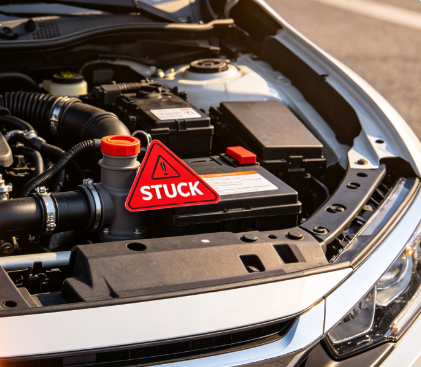
P2422 is a generic OBD-II / EOBD trouble code defined as EVAP System Vent Valve Stuck Closed.
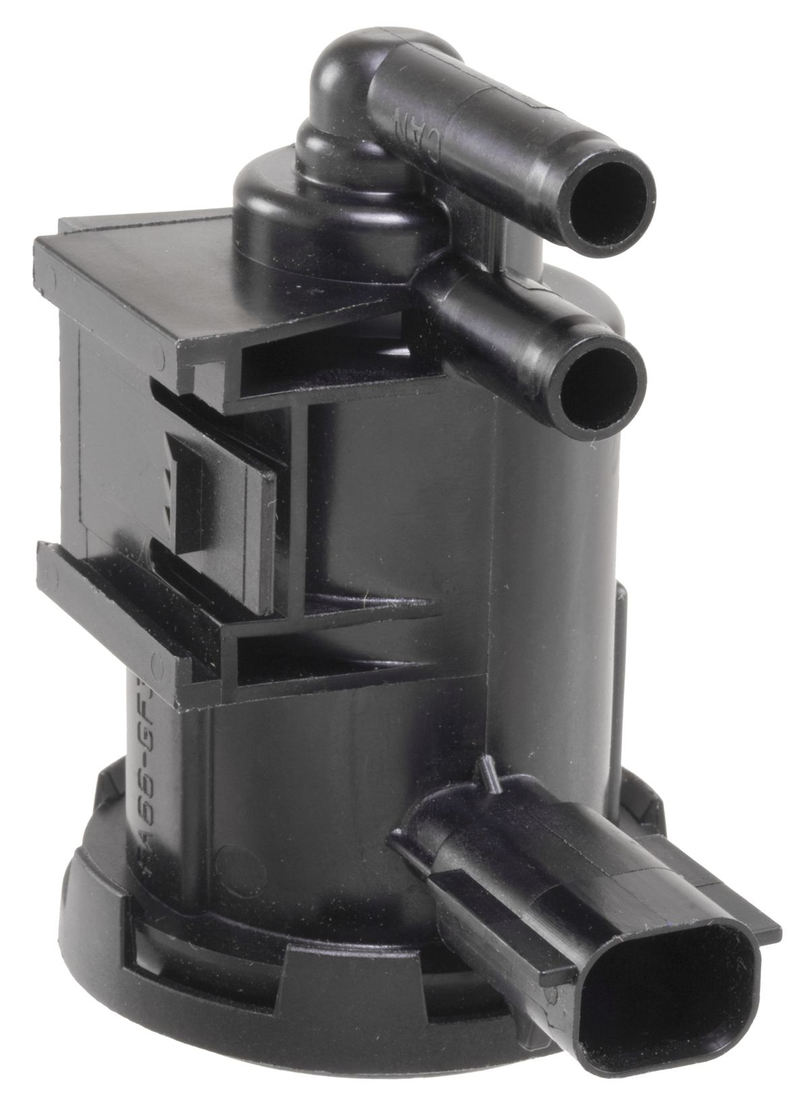
The EVAP vent valve is a core component of the vehicle’s evaporative emissions system; it opens to pull fresh ambient air into the fuel tank during purge cycles and closes to seal the tank when needed. When stuck permanently closed, the valve cannot equalize fuel tank pressure properly and triggers this fault code once the PCM detects abnormal pressure readings during routine EVAP self-tests.
Also read: 5 Signs Your EVAP System Might Be on Strike
Which Vehicles Commonly Report P2422?
P2422 DTC is disproportionately prevalent across Honda and Hyundai lineups, most notably the Honda Accord and Honda CR-V.
Many generations of these vehicles feature factory-spec EVAP vent valves fitted with small integrated dust filters prone to carbon debris, moisture buildup and clogging from roadside dirt.
The compact OEM valve housing design on these platforms accelerates mechanical sticking over years of regular driving, making P2422 one of the most recurring EVAP fault codes for Honda Accord, CR-V and multiple Hyundai passenger car models.
Most reported cases stem from 2012–2021 Honda Accord, 2015–2022 Honda CR-V, and 2018–2023 Hyundai Elantra/Tucson models, where the factory vent valve filter design is most prone to premature clogging.
How the EVAP System Performs Its Self-Test
To understand why a P2422 code appears, it helps to know how the EVAP system tests itself.
During normal driving, fuel vapors are stored inside the charcoal canister and later purged into the engine to be burned. Periodically, the Powertrain Control Module (PCM) runs an EVAP self-test to verify that the system can properly hold and release pressure without leaks or restrictions.
To perform this test, the PCM commands the purge valve and vent valve to open or close in a specific sequence while monitoring fuel tank pressure sensor data. The pressure changes must fall within a predetermined range for the test to pass.
When the vent valve is stuck closed, fresh air cannot enter the EVAP system as expected. As a result, fuel tank pressure does not respond normally during the self-test. After detecting this condition repeatedly, the PCM concludes that the EVAP vent circuit is restricted and stores a P2422 trouble code.
Because EVAP self-tests only run under specific operating conditions—such as a warmed-up engine, certain fuel levels, and steady driving—P2422 may appear intermittently at first before becoming a confirmed fault.
What Are the Symptoms of a P2422 Code?
The symptoms of a P2422 code can range from barely noticeable to more obvious emissions-system issues. In many cases, the vehicle continues to drive normally because the EVAP system primarily controls fuel vapor emissions rather than engine performance.
- Check Engine Light Illuminated
The most common symptom is an illuminated Check Engine Light (CEL). In many vehicles, P2422 may be stored as the only fault code.
- Hard Refueling & Slow Gas Pump Fill
A stuck-closed vent valve can prevent the fuel tank from venting properly during refueling. Drivers may notice:
- The fuel pump repeatedly shuts off
- Fuel fills unusually slowly
- Difficulty adding fuel to the tank
This is the most typical and user-noticeable symptom of P2422 on Honda and Hyundai vehicles.
- Fuel Tank Pressure Issues
Because fresh air cannot enter the EVAP system normally, abnormal pressure or vacuum conditions may develop inside the fuel tank. This can interfere with EVAP self-tests and trigger additional EVAP-related trouble codes.
- Smog Test Failure & Incomplete EVAP Readiness Monitor
P2422 most commonly leads to automatic smog test failure due to unresolved EVAP system diagnostic issues.
A stuck-closed vent valve prevents the EVAP system from finishing its required self-test cycles, leaving the EVAP monitor permanently incomplete and marked “Not Ready.”
Combined with an active Check Engine Light and uncompleted OBD-II diagnostics, the vehicle will not pass standard emissions inspections — this is the most critical and common reason drivers resolve the P2422 code on Honda and Hyundai models.
- Fuel Odor Around the Vehicle
Although less common, some drivers report a noticeable fuel vapor smell near the vehicle, especially if additional EVAP components are damaged or restricted.
- No Noticeable Drivability Symptoms
Unlike many engine-related trouble codes, P2422 typically does not cause:
- Rough idle
- Engine misfires
- Poor acceleration
- Significant fuel economy loss
As a result, many drivers first discover the problem during a routine scan or emissions inspection.
For most vehicles, a P2422 code triggers a Check Engine Light and EVAP-related issues such as refueling difficulties or failed emissions tests, while causing little to no change in everyday driving performance.
What Causes a P2422 Code?
1. Stuck or failed EVAP vent control valve (No.1 Most Common Cause)
Over time, the valve's internal mechanism can wear out, stick, or fail electrically, preventing it from opening when commanded by the PCM.
Once the valve remains closed for an extended period, the PCM detects abnormal pressure behavior during EVAP testing and stores P2422.
This is the leading failure for affected Honda and Hyundai platforms.
Also read: 5 Signs Your EVAP System Might Be on Strike
2. Damaged/clogged built-in vent solenoid filter (No.2 Typical OEM Defect)
Honda and Hyundai factory vent valves integrate a miniature inlet dust filter.
Road dust, mud and moisture easily plug or destroy this small filter, blocking incoming air flow and indirectly locking the valve closed, a well-documented original-equipment flaw.
3. Vent Valve Blocked by External Debris and Internal Carbon Sludge (No.3 Regular Wear Failure)
- Outside debris: Vent valves installed under the chassis are constantly exposed to road dust, mud, water, salt and loose charcoal particles from the EVAP canister.
- Internal carbon deposits: Meanwhile, condensed fuel vapors gradually create sticky carbon sludge inside the valve housing over long-distance driving.
Both outside debris and internal carbon deposits jam the valve’s internal plunger and prevent proper opening when triggered by the PCM. The computer flags the fault as a stuck-closed vent valve and saves DTC P2422, a widespread issue on aging Honda and Hyundai vehicles.
4. Clogged / pinched EVAP vent rubber lines (No.4 Auxiliary Blockage)
Cracked, kinked or debris-clogged vent hoses cut off ambient air supply to the EVAP canister. Even a fully functional vent valve cannot complete pressure testing when tubing is obstructed.
5. Corroded wiring & faulty electrical connectors (No.5 Circuit Fault)
Undercarriage water, salt and grime corrode solenoid plug pins. Intermittent or missing control signals from PCM lead to false “valve stuck closed” DTC P2422.
6. Damaged EVAP Canister(Rare)
The charcoal canister stores fuel vapors until they can be purged into the engine.
If the canister becomes saturated, damaged, or contaminated internally, charcoal particles may migrate through the EVAP system and obstruct the vent valve or vent lines.
A failing canister often causes recurring EVAP codes even after the vent valve has been replaced.
7. Faulty Fuel Tank Pressure Sensor(Rare)
The PCM relies on the fuel tank pressure sensor to verify that pressure changes occur as expected during EVAP testing.
If the sensor reports inaccurate readings, the PCM may mistakenly conclude that the vent valve is stuck closed even when the valve is functioning properly.
Although less common than vent valve failure, a faulty pressure sensor should not be overlooked when diagnosing persistent P2422 codes.
Is P2422 Serious?
A P2422 fault poses no immediate safety threat and will not cause sudden engine breakdown or internal mechanical damage while driving.
The core downside centers on emissions-system compliance and OBD readiness status.
A stuck-closed vent valve prevents the EVAP system from finishing its mandatory onboard self-checks, leaving the EVAP monitor incomplete.
This condition also indirectly delays catalyst monitor readiness, guaranteeing an automatic failure during official smog and emissions inspections.
Can You Continue Driving?
Yes. Short-term daily driving remains completely safe with this stored trouble code, and regular vehicle operation will not create instant dangerous operating conditions.
Still, indefinitely delaying repairs carries measurable drawbacks.
- First, the incomplete EVAP readiness status keeps the vehicle ineligible to pass state-mandated emission testing.
- Second, ongoing trapped pressure inside the fuel tank accelerates wear on the already compromised vent valve; accumulated dirt and carbon buildup will worsen over time and may lead to costlier full EVAP component replacement down the line.
- In rare cases, excessive internal tank vacuum can lead to difficult fuel pumping or accelerated deterioration of fuel tank seals with prolonged neglect.
When Immediate Repair Is Recommended
Schedule prompt service if you notice consistent hard fuel filling, strong persistent gasoline odor around the vehicle, or visible fuel leakage near the filler neck.
Drivers living in states with upcoming scheduled smog inspections should fix P2422 ahead of testing deadlines to avoid registration delays.
Additionally, if the check engine light appears alongside rough idle or recurring secondary EVAP-related fault codes, immediate diagnosis is advised to stop cascading damage to connected EVAP and fuel system parts.
How to Diagnose a P2422 Code
- Step 1: Scan for Additional Trouble Codes
Start by retrieving all stored and pending OBD2 trouble codes from the vehicle ECU.
Multiple related EVAP codes can appear alongside P2422, helping you determine whether the issue is isolated to the vent valve or part of a larger EVAP system failure.
Clearing codes and test-driving can also confirm if the fault is persistent or intermittent. - Step 2: Visually Inspect the EVAP Vent Valve
Locate the EVAP vent valve, typically mounted on the vehicle undercarriage near the charcoal canister.
Check for obvious dirt buildup, debris blockage, physical damage, or moisture contamination.
On Honda and Hyundai models, the integrated filter on the vent valve is a very common failure point.
- Step 3: Check Wiring and Electrical Connectors
Inspect the vent valve solenoid harness and connector.
Look for corrosion, bent pins, loose connections, water intrusion, or frayed wiring.
Undercarriage exposure to salt and moisture frequently causes intermittent electrical faults that mimic a stuck valve condition.
- Step 4: Inspect EVAP Vent Hoses
Check all plastic and rubber vent lines leading to the EVAP canister and vent valve.
Look for kinks, crushed tubing, cracked hoses, or internal debris blockage.
Any airflow restriction will prevent normal EVAP system venting and trigger the P2422 code.
- Step 5: Test Vent Valve Mechanical Operation
Manually verify whether the vent valve opens and closes freely. Sticking, sluggish movement, or complete seizure confirms mechanical failure caused by carbon buildup, dirt contamination, or internal spring wear.
- Step 6: Perform an EVAP Smoke Test (Optional)
For hidden restrictions, tiny leaks, or hard-to-detect blockages, perform an EVAP smoke test.
This method reveals hidden line clogs, canister contamination, or unseen airflow restrictions that cause false P2422 errors.
Also read: How to Reset EVAP System Monitors for Smog Test
Why Use Foxwell Tools to Diagnose P2422 at Home
Professional shop diagnosis is time-consuming and expensive, but DIYers can accurately troubleshoot and confirm P2422 root causes with dedicated Foxwell scanners, avoiding unnecessary part replacements and guesswork.
Foxwell NT510 Elite (Best for Basic & Confirmatory Diagnosis)
The Foxwell NT510 Elite is ideal for most Honda and Hyundai owners dealing with P2422.
- It reads manufacturer-specific Honda and Hyundai EVAP codes that generic scanners cannot access.
- It displays live EVAP tank pressure data, vent status, and fuel system parameters in real time.
- It lets you verify whether the fault is active, pending, or intermittent, so you know exactly what is triggering the P2422 monitor failure.
Perfect for confirming codes and checking OBD readiness status before smog tests.
Foxwell NT630 Plus (Best for Advanced P2422 Troubleshooting)
The Foxwell NT630 Plus upgrades the diagnosis process with professional-level functionality critical for solving stubborn P2422 codes:
- It supports bi-directional actuator testing, meaning you can manually command the EVAP vent valve to open and close.
- You can instantly tell if the valve is mechanically stuck (no movement despite command) or electrically faulty (no signal reaching the valve).
- This eliminates the most common DIY mistake: replacing a good valve when the real issue is wiring or a blocked line.
- It also resets EVAP and catalyst readiness monitors after repair for a full smog-ready fix.
In short, Foxwell scanners turn vague P2422 error information into clear, actionable results, letting DIYers diagnose like a professional shop without the high labor costs.
How to Fix a P2422 Code
Step 1: Clean or Replace the Integrated Vent Valve Filter
Step 2: Clean Internal Carbon and Debris Blockage
Step 3: Replace a Failed EVAP Vent Solenoid
Step 4: Repair or Replace Damaged EVAP Hoses and Connectors
Step 5: Clear Codes and Reset OBD Readiness Monitors (Final Step)
P2422 vs P2421: What's the Difference?
Both codes disable full EVAP monitor completion and lead to smog failure, but opposite valve positions create entirely different driving symptoms and repair paths.
- P2422: EVAP Vent Control Valve Stuck Closed
- P2421: EVAP Vent Control Valve Stuck Open
| Fault Code | Core Issue | Key Typical Symptoms | Common Repair Solutions |
|---|---|---|---|
| P2422 | Vent valve stuck closed; cannot draw in outside air | Hard slow fuel filling, tank vacuum, gasoline odor, incomplete EVAP readiness | Clean clogged filter/carbon sludge, replace faulty vent solenoid, fix blocked vent hoses |
| P2421 | Vent valve stuck open; stays permanently vented to atmosphere | No hard refueling; strong constant fuel smell, excess fuel vapor escape, failed EVAP leak test | Replace damaged solenoid, repair shorted wiring holding valve open |
How Much Does It Cost to Fix a P2422 Code?
| P2422 Root Cause | Occurrence Rate on Honda/Hyundai | Cheapest Fix Path | Total DIY Repair Cost | Total Professional Shop Cost |
|---|---|---|---|---|
| Clogged built-in vent filter / light carbon buildup | 52% (Most Common) | DIY filter cleaning + carbon removal | $5–$15 | Independent Shop: $130–$220
|
| Mechanically failed vent solenoid (permanently stuck closed) | 31% | DIY aftermarket vent valve swap | $42–$90 | Independent Shop: $230–$360
|
| Damaged wiring/corroded connectors (false stuck valve code) | 12% | DIY terminal repair kit | $22–$50 | Independent Shop: $170–$280
|
| Cracked EVAP canister inlet tubing / pinched vent hoses | 5% | Replace damaged hose segment | $30–$60 | Independent Shop: $210–$320
|
Key Cost-Saving Notes for Users
- 68% of local repair shops charge a separate $90–$130 upfront EVAP diagnostic fee; DIY diagnosis with a Foxwell NT510/NT630 scanner eliminates this charge entirely.
- Post-repair EVAP readiness monitor reset costs $40–$75 at most shops; Foxwell scanners complete this reset for free after DIY repairs.
- Regional price swing: West Coast urban areas add 15%–22% to total repair costs, while Midwest rural areas are 8%–12% below the national average (CostInsider regional auto repair database).
FAQ
Why did P2422 pop up after driving through deep puddles or heavy rain on my Honda?
Water intrusion is a common trigger. Moisture gets into the EVAP vent valve, hoses or charcoal canister, causing the vent valve to stick closed. Even minor water buildup inside the canister can activate the check engine light and set the P2422 code.
I replaced the EVAP vent valve, but the P2422 code came back shortly after. What went wrong?
A new vent valve alone may not solve the issue if the charcoal canister is filled with water, debris or condensed fuel vapor.
In most cases, you need to inspect, drain and clean the canister, or replace it together with the vent valve.
Also check connected hoses for hidden blockages.
How do I manually test if the EVAP vent valve and canister are working properly without professional tools?
With the vent valve uninstalled and unpowered (it should stay open by default), block the purge port on the canister and blow air into the fuel tank vent port.
Air should flow freely out of the canister’s fresh air vent with no restriction. Then reverse the test to check all passages.
Is it safe to use compressed air to remove water and debris from the charcoal canister?
Yes, but remove the fuel tank pressure sensor first — compressed air can permanently damage this component.
Use low-pressure air initially to drain trapped water, then continue blowing to clear excess fuel vapor and moisture inside the canister.

Leave a comment
This site is protected by hCaptcha and the hCaptcha Privacy Policy and Terms of Service apply.