


You’re cruising down the road when suddenly, the check engine light pops up on your dashboard.
It’s a moment that makes every driver pause and wonder, “Is something seriously wrong with my car?”
Before you start worrying about costly repairs, let’s break it down. Sometimes, that light comes on even when there’s nothing major going on. Yes, really.
Here, we’ll dig into what the check engine light means, why it might come on even when nothing’s wrong, and what you can do when it does.
What Does the Check Engine Light Mean?
Think of the check engine light as your car’s way of getting your attention. It’s like when you feel a slight headache—you notice it, but it doesn’t always mean something serious.
This light is connected to a network of sensors that monitor your engine, transmission, and emissions system.
If one of these sensors detects something unusual, it sends a signal to your car’s computer, which then flips on the light.
Sometimes, it’s just a small glitch. Imagine your smoke detector going off because you burned toast. It’s alarming, but it doesn’t mean your house is on fire.
The check engine light works in a similar way.
Why the Check Engine Light Can Be On Even When the Car Feels Fine
At this point, many drivers make a common assumption.
If the car isn’t driving poorly — no strange noises, no loss of power — they assume the warning light probably isn’t serious.
Based on real-world diagnostic cases we’ve reviewed and tested, this assumption is one of the most common reasons check engine warnings get ignored.
In practical repair and troubleshooting scenarios, both experienced drivers and professional technicians consistently reach the same conclusion:
a check engine light rarely appears without a reason — even if nothing feels wrong yet.
That’s because a warning light doesn’t mean the engine has failed.
It means the control system has detected data operating outside its expected range — often long before drivability is affected.
From a diagnostic standpoint, a scan tool does not diagnose the problem by itself.
It identifies the condition that triggered the warning, which is the first step in a proper diagnostic process — not the final answer.
Common Reasons the Check Engine Light Comes On

So, what could be behind that little light? Here are some of the usual culprits:
- Loose or Faulty Gas Cap: Believe it or not, a loose gas cap is a common reason for the check engine light.
The gas cap keeps the fuel system sealed, and if it’s not on tight, it can trigger the light. It’s like leaving the lid off your soda bottle—things start to go flat.
- Oxygen Sensor Issues: The oxygen sensor measures the amount of unburned oxygen in your exhaust.
If it’s not working right, your engine might not run efficiently. Think of it like trying to breathe through a clogged straw—your car struggles to “breathe” properly.
- Catalytic Converter Problems: The catalytic converter helps reduce harmful emissions.
If it’s not doing its job, the light will come on. It’s kind of like when your air purifier’s filter gets clogged—it can’t clean the air properly anymore.
- Mass Airflow Sensor Trouble: This sensor helps your car figure out how much air is coming into the engine so it can mix in the right amount of fuel.
If it’s faulty, it’s like trying to bake a cake without knowing how much flour to use—things get messy.
- Spark Plug or Wire Issues: Spark plugs ignite the fuel in your engine. If they’re worn out, your engine might misfire, triggering the light.
It’s like trying to start a fire with damp matches—frustrating and ineffective.
Can the Check Engine Light Come On by Mistake?
Absolutely. Sometimes that light is more of a false alarm than a true warning. Here’s how it can happen:
- Temporary Electrical Glitches: Every now and then, your car’s computer might pick up on a brief issue that doesn’t last. Maybe you drove through a deep puddle or there was a slight hiccup in the system.
It’s like your phone freezing for a second—it doesn’t mean it’s broken, just a temporary glitch.
- Sensor Errors: Your car has lots of sensors, and they’re not perfect. If one of them sends the wrong signal, the check engine light might come on even if everything’s fine.
Imagine your thermostat thinking it’s 90 degrees in your house when it’s really 70—an annoying but harmless mistake.
- Software Bugs: Occasionally, the car’s computer might need a software update. Until that happens, it might mistakenly trigger the light.
Think of it like your smartphone needing a software update—it works, but it’s a little buggy.
How to Troubleshoot a Check Engine Light Yourself
Before you rush to the mechanic, there are a few things you can check on your own:
- Check the Gas Cap: This is the easiest fix. Make sure your gas cap is on tight. If it was loose, the light might go off after a few drives.
- Use an OBD-II Scanner: One of the best tools for troubleshooting a check engine light is an OBD-II scanner. If you're using something like the Foxwell NT909, you’re in good hands.
This scanner goes beyond basic code reading—it's a professional-grade tool that gives you detailed information about what’s happening under the hood.
With the Foxwell NT909, you can quickly scan for diagnostic trouble codes (DTCs), which are like your car’s way of telling you what’s wrong.
It doesn’t just stop at giving you a code; it provides a full diagnosis with detailed explanations and possible fixes.
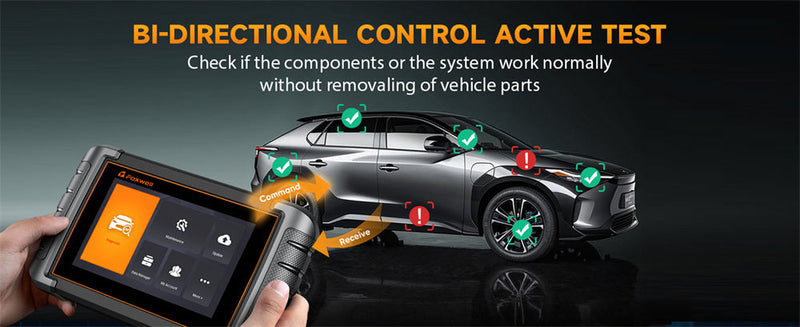
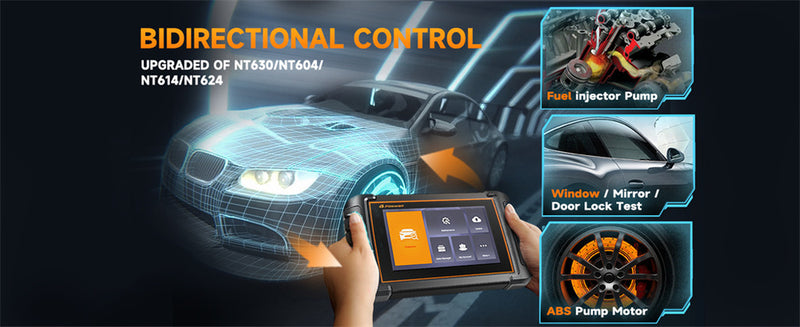
This scanner also supports advanced functions like live data streaming and bi-directional control, allowing you to test components directly. It’s like having a mechanic’s brain in your hands.
By using the NT909, you can figure out whether the issue is something minor you can handle yourself or if it’s time to visit a professional.
It’s a smart way to save time and avoid unnecessary trips to the mechanic.
- Pay Attention to How the Car Feels: Is your car driving normally? If it’s not making strange noises or acting up, the problem might not be urgent.
But if you notice anything unusual, it’s best to get it checked out.
If your vehicle uses a push-button start system, the ignition steps may be slightly different when connecting a scanner.
Learn more in our guide on how to use an OBD2 scanner with push button start.
How the ECU Detects Problems Before Symptoms Appear
From a technical perspective, “no symptoms” describes how the driver feels — not how the control system evaluates engine health.
Modern engine control units (ECUs) are designed to detect issues long before drivability is affected. Many faults trigger the check engine light based on emissions thresholds, sensor rationality checks, or long-term trend deviations — not immediate performance failure.
In technical terms, this means:
- The engine may still idle smoothly
- Acceleration may feel normal
- Fuel economy changes may be too small to notice
But the ECU has detected data that is drifting outside expected limits.
This is why drivers often report:
“My check engine light is on, but the car runs fine.”
From the ECU’s perspective, the system is no longer operating within ideal parameters — even if the driver feels no difference yet.
Why “No Symptoms” Does Not Mean “No Problem” to the ECU
When the check engine light comes on without symptoms, it usually means one of three things:
- 1. Early-stage faults
Sensors such as oxygen sensors, EVAP components, or fuel trim monitors may be drifting slowly. The ECU flags the issue before it becomes noticeable. - 2. Fallback strategies are active
The ECU may switch to default values when sensor readings become unreliable. This keeps the engine running smoothly — but efficiency and emissions suffer. - 3. Conditions are not severe enough yet
Some faults require multiple failed drive cycles or specific conditions before causing noticeable symptoms.
In short, the system is compensating — but compensation has limits.
Check Engine Light On but No Codes — How Is That Possible?
Many drivers are confused when the check engine light is on, yet their scanner shows no codes.
This usually happens because:
- The fault is stored as a pending code, not a confirmed code
- The scanner cannot access manufacturer-specific modules
- The light was triggered briefly and the code is stored as history
- The scanner lacks access to enhanced or emissions-related data
Basic code readers often only display generic, confirmed OBD-II codes. They may miss pending faults, mode $06 test failures, or brand-specific logic.
This explains why a car can:
- Run fine
- Show no obvious symptoms
- Still legitimately trigger the check engine light
When Should You Worry About the Check Engine Light?
Not all check engine light situations are created equal. Here’s when you should be concerned:
- Flashing Check Engine Light: If the light is blinking, it’s a bigger deal. This usually means there’s a serious problem, like an engine misfire, that could damage your engine. Think of it like your smoke detector going off for real—it’s time to act fast.
- Weird Noises or Poor Performance: If the light comes on and your car starts running rough, making strange noises, or losing power, get it checked out ASAP. It’s like hearing a strange noise in your house—you don’t ignore it.
- Persistent Light: If you’ve tried the easy fixes and the light keeps coming back, it’s time to dig deeper. Even if the car seems fine, something’s going on under the hood that needs attention.
Is It Safe to Drive with the Check Engine Light On?
This depends on what’s causing the light. If it’s a minor issue like a loose gas cap, it’s generally safe to keep driving for a bit.
But if the light is flashing or you notice performance issues, it’s better to play it safe and get the car checked out.
Think of it like walking on a sprained ankle—you might be okay for a little while, but it’s best to get it looked at sooner rather than later.
Steps to Take If Your Check Engine Light Comes On
So, the light’s on—what now? Here’s what to do:
- Stay Calm: The light is there to warn you, but it doesn’t mean disaster. Take a deep breath and assess the situation.
- Check the Easy Stuff: Start with the gas cap. If it’s loose, tighten it and see if the light goes off after a few drives.
- Scan for Codes: If you have an OBD-II scanner, use it to see what’s causing the light. This gives you a better idea of what’s going on.
- Watch for Symptoms: Keep an eye on how your car is driving. If it seems fine, you might have some time before you need to see a mechanic. But if it’s acting up, don’t wait.
- Seek Help if Needed: If the light stays on or you’re not sure what’s wrong, it’s best to get professional advice. It’s like going to the doctor when you’re not feeling right—it’s better to be safe.

When to Seek Professional Help for a Check Engine Light
There are times when a check engine light indicates an issue that’s beyond a quick fix, and professional help is needed.
One key situation is when your OBD-II scanner displays complex diagnostic codes that you don’t fully understand.
These codes can point to serious issues that require specialized knowledge and tools to diagnose and repair accurately.
Mechanics have access to advanced diagnostic equipment and experience to interpret these codes correctly and provide the right solution.
Another reason to seek professional help is if the check engine light remains on even after you’ve tried addressing the obvious issues, such as tightening the gas cap or resetting the light.
A persistent light often signals a deeper problem that needs thorough investigation. Ignoring it could lead to more significant damage down the road, so it’s best to let a mechanic take a closer look.
Lastly, if you notice that your car’s performance is affected—whether it’s rough idling, stalling, loss of power, or unusual noises—it’s crucial to get your vehicle checked immediately.
These symptoms, combined with the check engine light, often indicate a serious problem that could worsen if left unattended.
Getting professional help in these situations can prevent further damage and ensure your vehicle remains safe and reliable to drive.
Conclusion
The check engine light can be a bit of a mystery, but it doesn’t always mean something terrible is wrong.
By understanding what it can mean, checking the basics, and knowing when to seek help, you can keep your car running smoothly without unnecessary stress.
Remember, it’s your car’s way of communicating—sometimes it’s just a reminder, and other times it’s a call for help. Listen to it, but don’t panic.
FAQs
Can a check engine light correct itself?
Yes, the check engine light can turn off on its own if the issue that triggered it is temporary or resolves itself, such as a loose gas cap that gets tightened or a brief sensor glitch.
Can a check engine light come on falsely?
Yes, a check engine light can come on due to a false alarm. This can happen because of temporary electrical glitches, sensor errors, or even software bugs in the car’s computer system.
What causes an intermittent check engine light?
An intermittent check engine light is often caused by issues like fluctuating sensor readings, temporary problems with the fuel system, or loose connections that come and go, triggering the light sporadically.
Why does my check engine light come on even though nothing seems wrong?
Because the ECU can detect issues long before they affect how the car feels. Many faults are related to emissions, sensor accuracy, or long-term efficiency rather than immediate drivability. The car may feel normal while the system has already moved outside optimal operating ranges.
Why is my check engine light on but my scanner shows no codes?
This usually means the fault is stored as a pending or history code, or the scanner cannot access manufacturer-specific data. The light itself is triggered by ECU logic — not by the scanner — so a limited scanner may miss important diagnostic information.

Leave a comment
This site is protected by hCaptcha and the hCaptcha Privacy Policy and Terms of Service apply.