

Key Points
- P0471 = Exhaust pressure signal out of range
- Most common cause: clogged sensor tube (not ECU failure)
- Main symptoms: check engine light, limp mode, poor fuel economy
- Best diagnosis method: scan tool + live data comparison
- Most common fix: clean or replace the sensor tube
- Diesel engines: much higher risk than gasoline engines
What Does the P0471 Code Mean?
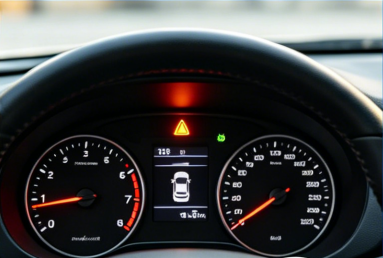
P0471 stands for Exhaust Pressure Sensor “A” Range/Performance. It means the engine computer (ECM/PCM) has detected an abnormally low, illogical, or out-of-range exhaust pressure signal from the exhaust pressure sensor.
The exhaust pressure sensor monitors pressure in the exhaust system and helps control:
-
DPF (Diesel Particulate Filter)
- EGR system
- Turbo performance
When the signal is out of range or inconsistent, the ECU triggers P0471.
P0471 Code Symptoms
P0471 mainly affects engine performance and emissions systems.
- Check Engine Light: The most obvious sign.
- Limp Mode: The vehicle limits RPM and power to protect the engine.
- Poor Fuel Economy: Inefficient combustion and frequent DPF regenerations.
- Engine Hesitation: Especially noticeable under load or during acceleration.
- Turbo Lag: The turbocharger may not provide boost correctly.
Severity Quick Check:
| Symptom Level | What It Means |
|---|---|
| 🔵Mild | Sensor issue or early blockage |
| 🟡Moderate | Tube clogging or wiring issue |
| 🔴Severe | DPF blockage or system failure |
What Causes a P0471 Code?
Nearly all P0471 faults come from pressure reading issues, clogged lines, or sensor/wiring problems — NOT from a failed ECU.
Most common causes (ordered by frequency):
- Clogged or blocked pressure sensor tube/hose
- Faulty exhaust pressure sensor / DPF pressure sensor
- Damaged, disconnected, or shorted wiring to the sensor
- Failed or contaminated DPF (diesel particulate filter)
- Exhaust leaks before the pressure sensor
- ECU software or calibration issues
- Internal engine or turbocharger performance problems
Categorized breakdown (easy to scan):
| Category | Common Causes |
| Mechanical | Clogged Sensor Tube (Most Common), Exhaust leaks, blocked DPF. |
| Electrical | Damaged wiring harness, corroded connectors, or short circuits. |
| Sensor | Internal failure of Exhaust Pressure Sensor "A". |
| Software | Outdated PCM calibration (common on Ford and RAM). |
How to Diagnose P0471 Code (Step-by-Step)
Step 1 – Scan & Confirm the Code
- Use an OBD2 scanner to verify P0471 (active / stored, not just pending)
- Check related codes: P0470, P0472, P0473
-
A basic scanner with reliable code reading is enough at this stage.
For example, tools like the Foxwell NT301 can quickly confirm the code and display freeze frame data, helping you understand when the fault occurred.
A scanner with live data is strongly recommended if you plan to continue diagnosis.
Step 2 – Visual Inspection (Fastest Fix⭐)
- Inspect the exhaust pressure sensor and its rubber/metal tube
- Look for: cracks, burns, disconnection, oil contamination, or loose clips
- Check for soot/carbon blockage in the tube — this fixes most cases
Step 3 – Check for Exhaust Leaks
- Inspect the exhaust system before the sensor for holes, gaps, or damage
- Leaks cause low pressure readings and directly trigger P0471
Step 4 – Analyze Live Data (Key Diagnostic Step ⭐)
- View exhaust pressure values at KOEO (Key On Engine Off)
- Normal: should equal barometric pressure
- Compare readings at idle and acceleration:
- Idle: stable low pressure
- Acceleration: smooth, steady increase
- Faulty: stuck, jumping, or unrealistic numbers
- To accurately observe these changes, a scanner with live data graphing is highly recommended.
Advanced tools such as the Foxwell NT809 allows you to monitor exhaust pressure trends in real time, making it much easier to identify whether the issue comes from the sensor, clogged tubing, or DPF restriction.
Step 5 – Test Sensor Wiring & Voltage
- Check connectors for corrosion, bent pins, or water damage
- Test with multimeter:
- Verify 5V reference voltage
- Check good ground and clean signal wire
- Look for damaged, shorted, or broken wires
Step 6 – Inspect DPF Condition
- Check for excessive soot buildup
- Verify if DPF regeneration is failing or incomplete
- A clogged DPF will create false pressure readings
- Determine which component is faulty: tube, sensor, wiring, exhaust leak, or DPF
- Proceed to the repair section for fixes
How to Fix P0471 Code
- Diagnosis Step 2 (clogged tube) → Fix Step 1 (clean tube)
- Diagnosis Step 3 (exhaust leak) → Fix Step 2 (repair leak)
- Diagnosis Step 5 (wiring issue) → Fix Step 3 (repair wiring)
- Diagnosis Step 2/4 (faulty sensor) → Fix Step 4 (replace sensor)
- Diagnosis Step 6 (DPF problem) → Fix Step 5 (service DPF)
Step 1 – Clean the Clogged Pressure Sensor Tube (Most Common Fix)
- Disconnect the tube from sensor and exhaust
- Use stiff wire + brake cleaner to remove soot
- Blow out with compressed air
- Reattach securely
Step 2 – Repair Exhaust Leaks
- Seal or replace damaged exhaust sections
- Replace worn gaskets
- Ensure no leaks before the pressure sensor
Step 3 – Repair Wiring & Connectors
- Splice frayed wires; use heat-shrink tubing
- Clean corroded connectors
- Replace damaged plugs or harnesses if needed
Step 4 – Replace the Exhaust / DPF Pressure Sensor
- Install a new sensor if cleaning and wiring didn’t resolve the issue
- Reconnect tube and electrical connector
Step 5 – Service the DPF
- Perform forced DPF regeneration (using a scanner)
- Clean DPF if moderately clogged
- Replace DPF if fully blocked or damaged
Step 6 – Update ECU/PCM Calibration
- Reflash the ECU on Ford, RAM, or European models if needed
- Fixes false or out-of-range sensor errors
Step 7 – Clear Codes & Test Drive
- Clear P0471 and related codes
- Test-drive and monitor live pressure data
- Confirm the code does not return
Can You Drive With a P0471 Code?
- ❌ DPF damage
- ❌ Reduced engine power
- ❌ Higher fuel consumption
- ❌ Emissions failure
- ❌ Increased repair costs (minor issues escalate into major component damage)
P0471 Code on Different Vehicles
Diesel engines (especially heavy-duty trucks) are far more prone to P0471, mostly due to DPF and soot-related issues. Gasoline engines rarely trigger this code, and issues are usually electrical or sensor-related.
| Vehicle Platform | Common Causes | Key Notes & Characteristics |
|---|---|---|
| 6.7 Cummins (RAM / Dodge) | • DPF blockage
|
Extremely common on RAM diesel trucks
|
| 6.7 Powerstroke (Ford) | • Carbon buildup in sensor/tube
|
Check for Ford TSBs and PCM updates before replacing parts |
|
European Brands
|
• DPF backpressure issues
|
Highly sensitive to small pressure deviations
|
|
Asian Brands
|
• Failing sensor diaphragm
|
More common in diesel trims
|
| All Gasoline Engines | • Exhaust leaks
|
Low risk overall
|
| All Diesel Engines | • DPF clogging
|
High risk worldwide
|
Related Trouble Codes to P0471
| Code | Meaning | How It Differs from P0471 |
|---|---|---|
| P0470 | Exhaust Pressure Sensor “A” Circuit Malfunction | General circuit failure (no signal / unstable signal).
|
| P0471 | Exhaust Pressure Sensor “A” Range / Performance | Signal is logically wrong or out of expected operating range (most common issue). |
| P0472 | Exhaust Pressure Sensor “A” Low Input | Signal voltage is too low (below minimum threshold).
|
| P0473 | Exhaust Pressure Sensor “A” High Input | Signal voltage is too high (above maximum threshold).
|
| P0474 | Exhaust Pressure Sensor “A” Intermittent | Signal cuts in and out randomly.
|
Simple Summary
- P0471 = signal is illogical / out of expected range
- P0470 = circuit not working properly
- P0472 = signal too low
- P0473 = signal too high
- P0474 = signal cuts in and out
Preventive Maintenance Tips
- ✅ Use high-quality diesel fuel to reduce soot buildup
- ✅ Avoid frequent short trips (prevents incomplete DPF regeneration)
- ✅ Inspect the exhaust pressure sensor tube every 10,000 miles / 15,000 km (or during each oil change)
- ✅ Inspect the full exhaust system for leaks every 30,000 miles / 50,000 km
- ✅ Perform DPF maintenance (regeneration monitoring / professional cleaning) every 60,000–100,000 miles / 100,000–160,000 km
FAQ
What causes a P0471 code?
Most cases are caused by airflow or pressure measurement issues.
The most common causes include a faulty exhaust pressure sensor, clogged pressure tubing, wiring issues, or DPF blockage.
How do you fix a P0471 code?
Fixing the issue involves cleaning or replacing the pressure sensor, repairing wiring, or resolving DPF-related problems.
Start by cleaning the metal sensor line. If the code persists, check the wiring and replace the sensor.
How to tell if a DPF pressure sensor is faulty?
The most reliable method is checking live data with a scan tool.
Common signs of a faulty DPF/exhaust pressure sensor:
- Unstable, stuck, or illogical pressure readings on live data
- No change in pressure reading when revving the engine
- Frequent or failed DPF regeneration
- Reduced engine power, rough running, or poor acceleration
- Illuminated check engine light (often with P0470–P0474 codes)
- If the reading stays fixed and does not respond to engine load, the sensor is either faulty or the tube is clogged.
Can I drive with a bad exhaust pressure sensor?
Short-term driving is possible, but not recommended. You can drive short distances, but it may lead to DPF damage and reduced engine performance.
Is P0471 serious?
It is a moderate issue, but it can become serious if ignored.
P0471 will not usually cause immediate engine failure. However, if left unresolved, it can lead to reduced engine performance, DPF damage, and costly exhaust system repairs—especially in diesel vehicles.


Leave a comment
This site is protected by hCaptcha and the hCaptcha Privacy Policy and Terms of Service apply.