

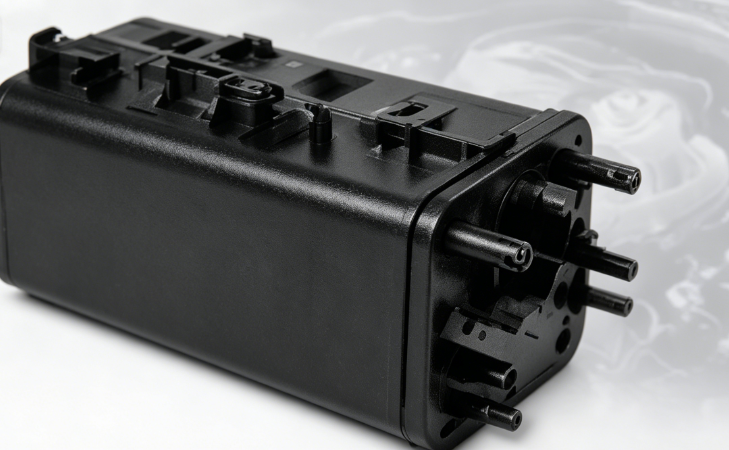
What is an EVAP Canister and Why It Matters
The EVAP Canister (also called a charcoal canister or vapor canister) is an essential component of the Evaporative Emission Control (EVAP) system. Its main function is to capture and store fuel vapors, preventing them from being released into the atmosphere and reducing harmful pollution.
By controlling the release of fuel vapors, the EVAP Canister helps maintain fuel efficiency, reduces harmful emissions, and supports overall vehicle performance. Understanding what an EVAP Canister is is the first step in maintaining a healthy emission system.

Understanding the EVAP System
The core function of the EVAP system is to store and filter fuel vapors released from the fuel tank using the EVAP Canister. These vapors are then routed to the engine for combustion, preventing environmental contamination.
This system is crucial for meeting emission standards and maintaining fuel efficiency. The system relies on components like the EVAP Canister Purge Valve, vent valve, and vent solenoid to function properly.
EVAP Canister Fault Symptoms
⛽Difficult Refueling
If you notice that the fuel nozzle keeps shutting off while filling up, you may have a clogged EVAP Canister. This prevents proper venting, making refueling difficult.
💨Strong Gas Smell
A noticeable gasoline smell around the back of the vehicle or in your garage could indicate a cracked or damaged charcoal canister.
⚠️Check Engine Light
If the vehicle detects a leak or abnormal vapor flow, the check engine light may illuminate. Common OBD-II codes include P0440 or P0455, often related to the EVAP system.
🏎️Poor Engine Performance
A malfunctioning EVAP Canister can disrupt the air-fuel mixture, causing rough idling or difficulty starting the engine. A bad EVAP Canister may even cause stalling.
📝Failed Emissions Test
Leaks or malfunctioning components in the EVAP system can cause the vehicle to fail smog inspections.
➡️ “Read more about how stuck purge valves and EVAP system leaks trigger engine codes.”
How to Repair EVAP Canister Issues
Cleaning a Clogged Canister (Temporary Fix)
Note: If the internal charcoal filter has disintegrated, cleaning won't help; replacement is necessary.
- Remove the canister: Usually located near the fuel tank or under the engine bay.
- Low-pressure air: Gently blow compressed air (under 30 PSI) into the vent port to clear dust or debris.
- Check the solenoid: Ensure the vent valve attached to the canister is clicking and opening/closing properly.
Replacing the EVAP Canister
- Safety First: Ensure the vehicle is off and in a well-ventilated area.
- Disconnect Lines: Carefully remove the quick-connect vapor hoses. Label them if necessary.
- Unbolt the Bracket: Remove the mounting bolts holding the canister to the chassis.
- Install New Unit: Swap over any reusable sensors or valves to the new canister and bolt it in.
Use a OBD2 Diagnostic Tool
Using advanced scanners such as the Foxwell NT530 Plus and NT809 enable users to read live data streams, monitor I/M readiness for emissions testing, and perform active bidirectional commands for more precise diagnostics.
- Live Data Monitoring: Use the scanner to check the Purge Solenoid duty cycle and Fuel Tank Pressure (FTP) sensor readings.
- Evap Leak Test: High-end scanners can trigger a "Service Bay Leak Test" to force the system to check for vacuum leaks.
- Visual Inspection: Check for cracked hoses, loose gas caps, or charcoal pellets escaping the canister and clogging the lines.
➡️ “Learn how to use an OBD2 scanner specifically for EVAP system diagnosis.”
Where is the Canister Purge Valve Located?
- The EVAP Canister Purge Valve is usually located near the engine or above the fuel tank.
- Once located, it can be tested or replaced as needed.
As shown in the figure

Preventive Maintenance for EVAP Canister
1. Regular Cleaning and Maintenance
Inspect the fuel tank and all EVAP components. Cleaning the EVAP Canister can prevent fuel vapor buildup.
2. Check Valves and Sensors
Periodically inspect the purge valve, vent solenoid, and vent valve to ensure the system is functioning correctly.
3. Use OBD2 Tools for Routine Checks
Routine diagnostics with Foxwell OBD2 tools help detect and fix issues before they become serious, ensuring your EVAP system is always healthy.
Conclusion: Keep Your EVAP Canister Healthy for Better Vehicle Performance
Maintaining a healthy EVAP system helps improve fuel efficiency, reduce emissions, and avoid costly repairs. Regular inspection and timely diagnostics are key to preventing EVAP system failures. Understanding how long you can drive with a bad EVAP Canister and fixing issues promptly can save you time and money.
FAQs
1.How much does it cost to replace an evap canister?
Replacing an EVAP canister (charcoal canister) typically costs between $250 and $850, with an average of $300 to $600 for most vehicles. The price includes roughly $150–$600 for parts and $100–$200 for labor, often taking about one hour for installation.
2.Can you drive with a damaged evap canister?
Yes, you can technically drive with a bad EVAP (evaporative emissions) canister. It primarily manages fuel vapors, so it won’t usually cause immediate engine failure or leave you stranded. However, it is an emissions control device, so driving with a broken one is not recommended for long.
3.How long does it take to replace an evap canister?
On average, a skilled mechanic should be able to repair or replace a vehicle's charcoal canister in about an hour.
4.What happens if you don't replace an evap canister?
Technically you can drive without an EVAP canister but you probably shouldn't. Without it the truck runs lean, misfires, and raw gas fumes can eventually plug up your entire fuel system.
5.How Long Can You Drive with a Bad EVAP?
While you can drive with a bad EVAP system without immediate harm, it's not recommended for extended periods. Over time, the leak can lead to more costly repairs and reduce the vehicle's fuel efficiency. It's best to address the issue as soon as possible.


Leave a comment
This site is protected by hCaptcha and the hCaptcha Privacy Policy and Terms of Service apply.