

Quick Answer
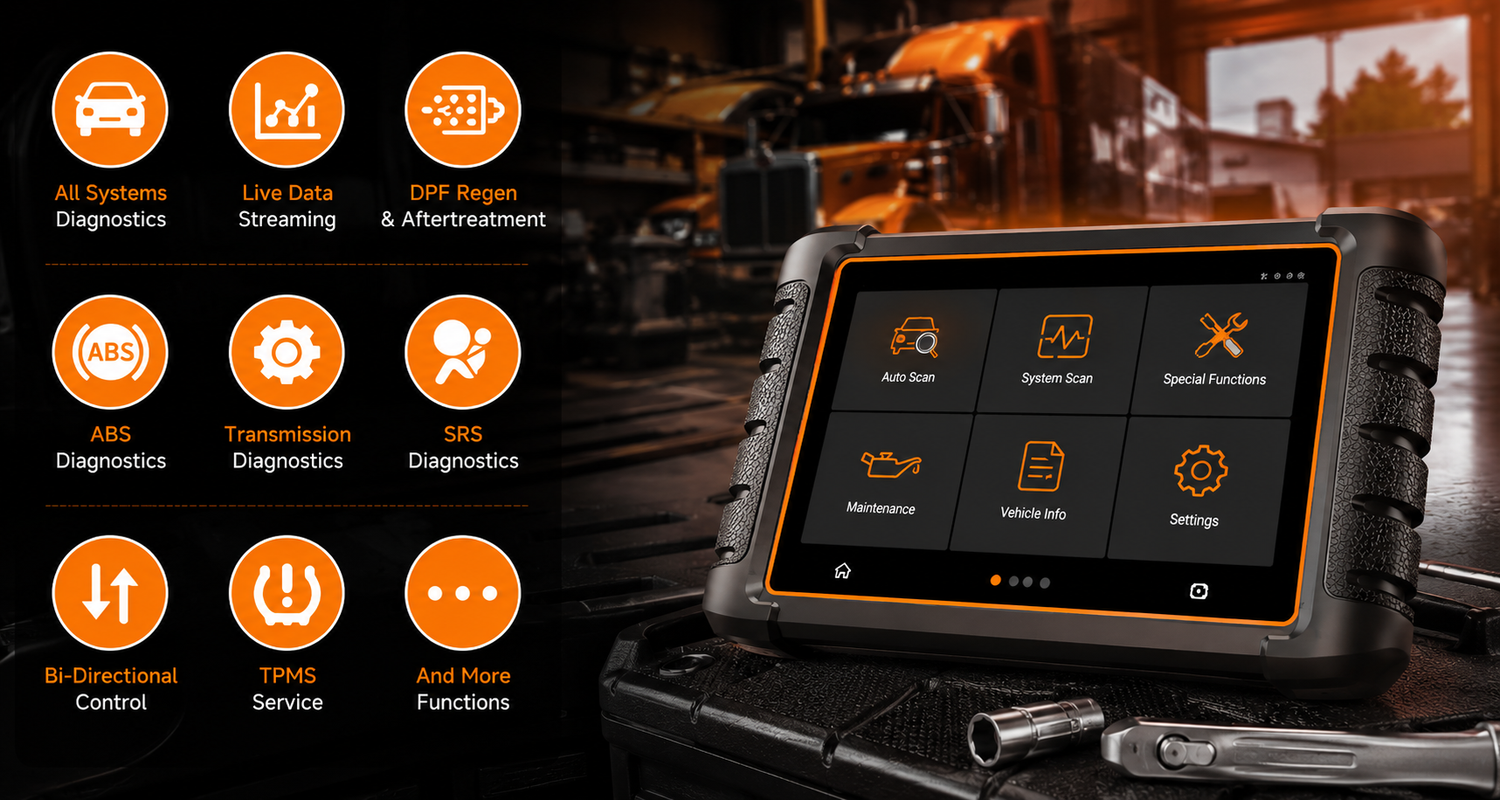
Modern diesel trucks require far more than a basic OBD2 scanner. While entry-level tools may read engine codes, many cannot access ABS modules, transmission systems, DPF/DEF emissions controls, or heavy-duty protocols like J1939. For most diesel pickup owners and small fleets, a modern diesel diagnostic scanner with full-system access, DPF Regen capability, live data monitoring, and ABS diagnostics is now the better long-term solution.
Why Most Basic Truck Scanners Fail on ABS & Diesel Codes
Many people have a common misconception about diesel truck diagnostics: they assume that any OBD2 scanner can handle problems on modern diesel vehicles. In reality, however, many entry-level automotive scan tools can only read basic generic engine codes, and their capabilities become very limited when it comes to the core systems used in today’s diesel trucks.
Modern diesel trucks are no longer built around a single ECU. Many critical faults are actually stored in systems such as the ABS module, TCM transmission module, BCM body control module, DPF/SCR emissions systems, 4WD module, and the vehicle’s chassis communication network. This is exactly why many truck owners experience a very common situation: multiple warning lights appear on the dashboard, yet the scanner still reports “No Codes Found.”
This becomes especially obvious during issues involving ABS faults, engine derate mode, failed DPF regeneration, transmission limp mode, or module communication failures. In these situations, many basic scanners simply cannot access the required systems, meaning they can only see surface-level symptoms without identifying the real cause of the problem.
The biggest difference between modern diesel diagnostic tools is not simply the price — it is whether the tool provides true full-system access.
| Feature | Basic OBD2 Scanner | Diesel Diagnostic Scanner |
|---|---|---|
| Engine Codes | ✅ | ✅ |
| ABS Diagnostics | ❌ | ✅ |
| Transmission Diagnostics | ❌ | ✅ |
| DPF Regen Functions | ❌ | ✅ |
| Live Diesel Data | Limited | Advanced |
| J1939 Support | ❌ | ✅ |
| Full-System Scan | ❌ | ✅ |
This is also why more and more diesel truck owners eventually upgrade their full-system diagnostic tools . Over time, they realize that basic scanners not only fail to read ABS or transmission fault codes, but also cannot access DPF data, perform forced regenerations, or handle the module communication issues that have become increasingly common in modern diesel vehicles.
For today’s diesel platforms, the key question is no longer simply “Can the scanner read fault codes?” What truly matters is whether the scanner offers complete diesel system diagnostic capabilities.
What Do Professional Truck Shops Use?
Many diesel truck owners wonder what kind of diagnostic tools professional repair shops actually use.
Today, common platforms found in diesel repair shops include:
| Platform | Main Purpose |
|---|---|
| Jaltest | Multi-brand heavy-duty truck diagnostics |
| JPRO | Commercial fleet diagnostics |
| Cummins INSITE | Cummins-specific diagnostics |
| TEXA | Commercial trucks and European diesel vehicles |
| Autel HD Series | Medium-duty and light-duty diesel diagnostics |
In reality, platforms like Jaltest, JPRO, Cummins INSITE, and TEXA are no longer just “scan tools”,but complete diesel diagnostic platforms. They function more like complete commercial vehicle diagnostic systems.
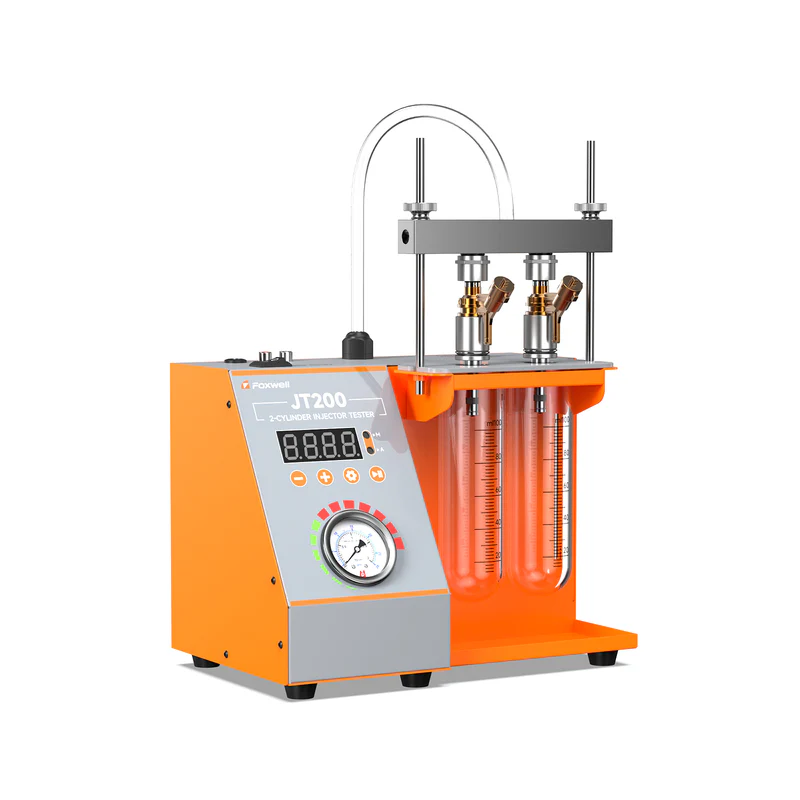
These platforms can access vehicle-wide modules and perform advanced functions such as DPF forced regeneration, parameter resets, injector testing, ABS diagnostics, and bidirectional controls, while also supporting heavy-duty communication protocols like J1939. That is also why they are typically expensive, as they are designed primarily for repair shops and commercial fleets.
However, for most diesel pickup owners, OEM-level platforms are often too expensive and much more complicated to learn and operate. As a result, one of the biggest trends in recent years has been the growing popularity of mid-range diesel diagnostic scanners that sit somewhere between basic code readers and full OEM systems.
These tools are often capable of handling most common DIY diesel maintenance tasks, including DPF regeneration, ABS diagnostics, transmission diagnostics, and live data monitoring, while costing significantly less than professional shop-level platforms.
Professional Truck Scanners vs DIY Diagnostic Tools
As modern diesel trucks become increasingly complex electronically, more owners are realizing that traditional basic code readers are no longer enough for long-term maintenance needs. At the same time, however, not every truck owner needs an expensive OEM-level diagnostic platform.
In reality, whether you need a professional-grade scanner usually depends on your specific use case. Factors such as whether you perform your own repairs, tow regularly, need to deal with DPF/DEF emissions systems, or manage a larger fleet can all directly affect which type of diagnostic tool is right for you.
In These Situations, a DIY Scanner Is Usually Enough
If you:
- Own only 1–3 diesel trucks
- Perform basic maintenance yourself
- Need Forced Regen capability
- Want ABS and transmission diagnostics
- Need live data monitoring
Then an advanced DIY diesel scanner is usually more than enough.
In These Situations, Professional Equipment Makes More Sense
If you:
- Operate a repair shop
- Manage a large fleet
- Frequently perform OEM programming
- Need advanced calibration functions
- Work on heavy-duty trucks every day
Then a professional diagnostic platform will usually be a better fit.
Difference Between DIY Scanners and Professional Platforms
| Use Case | Better Equipment Type |
|---|---|
| Daily diesel pickup maintenance | Advanced DIY scanner |
| DPF Regen and ABS diagnostics | Advanced DIY scanner |
| Small fleet maintenance | Mid-range diesel diagnostic scanner |
| OEM programming and advanced calibration | Professional platform |
| Commercial repair shops | OEM/Fleet-level systems |
What Are the Diagnostic Differences Between Cummins, Duramax, and Powerstroke?
Different diesel platforms often come with very different diagnostic priorities and common fault patterns.
Cummins owners typically pay more attention to:
- DPF Regen
- Turbo Actuator issues
- Grid Heater faults
- 68RFE transmission problems
- ABS communication faults
Duramax owners, on the other hand, commonly deal with:
- P2463 DPF blockage codes
- DEF system faults
- Frequent regeneration cycles
- Glow Plug issues
- Transmission temperature monitoring
Powerstroke owners are more likely to focus on:
- Forced Regen
- Turbo Vane data
- Injector Contribution Tests
- DEF-related faults
- Transmission adaptive learning resets
Because of these differences, modern diesel diagnostic tools are increasingly being evaluated not simply by whether they can “read codes,” but by whether they are actually well-suited for specific diesel platforms.
Can You Force a DPF Regen Yourself?
Yes — but only if the scanner supports it. To perform a forced regeneration, the scanner must communicate directly with the emissions control system, the DPF control
module, and the engine ECU.

Do You Need J1939 Support for Heavy-Duty Truck ?
When shopping for a diesel truck scanner, more owners are paying attention to one keyword in particular:
The reason is simple. Modern medium-duty and heavy-duty diesel trucks now rely heavily on Heavy-Duty Communication Protocols to handle data exchange between vehicle modules.
Protocols such as:
- J1939
- J1708
- J1587
have become a core part of modern commercial diesel vehicle architecture. Communication between the engine, ABS, transmission, emissions systems, and chassis modules all depends on these protocols.
As a result, if a heavy-duty diagnostic system does not support Heavy-Duty Protocols, many critical functions may be limited. The tool may struggle to fully access engine modules, ABS systems, transmission diagnostics, emissions data, and other commercial truck diagnostic functions.
This is also why many standard “car scanners” still perform poorly on heavy-duty diesel platforms, even if they advertise truck compatibility. Most of these tools only support basic OBD2 communication and lack true Heavy-Duty Protocol Support.
For platforms such as:
- Freightliner
- Kenworth
- Peterbilt
- International
J1939 support is no longer just an extra feature. It has become one of the key factors that determines whether a scanner can properly communicate with modern heavy-duty truck systems.
As diesel trucks continue becoming more electronically advanced, Heavy-Duty Protocol Compatibility is increasingly becoming an essential requirement when choosing a diagnostic tool.
Final Verdict: Which Truck Scanner Fits Your Needs?
Modern diesel trucks require far more than a basic OBD2 scanner. Systems like ABS, DPF, DEF, transmission control, and J1939 communication now play a major role in diesel diagnostics.
For most diesel pickup owners, owner-operators, and small fleets, a scanner with full-system diagnostics, live data, ABS access, and DPF Regen capability is becoming increasingly important for long-term maintenance and troubleshooting.
| Use Case | Better Equipment Type |
|---|---|
| Daily diesel pickup maintenance / DPF Regen | Advanced DIY scanner |
| Small fleet maintenance | Mid-range diesel diagnostic scanner |
| OEM programming and calibration | Professional platform |
| Commercial repair shops | OEM/Fleet-level systems |
FAQS
Which diagnostic scan tool is best?
- Best Overall for Diesel Trucks: FOXWELL HD500
- Best Overall: TopDon Phoenix Nano.
- Best Value: Bosch OBD 1200.
- Best Wireless: BlueDriver Pro Scan Tool.
What is the best HGV diagnostic tool for trucks?
The Jaltest truck diagnostics tool is the perfect device to perform diagnosis on your truck. Jaltest is the world's leading multi-brand and multi-system vehicle diagnostic software, providing a wide coverage on the different electronic systems installed on all vehicles, ranging from commerciand more.
What scanner do most mechanics use?
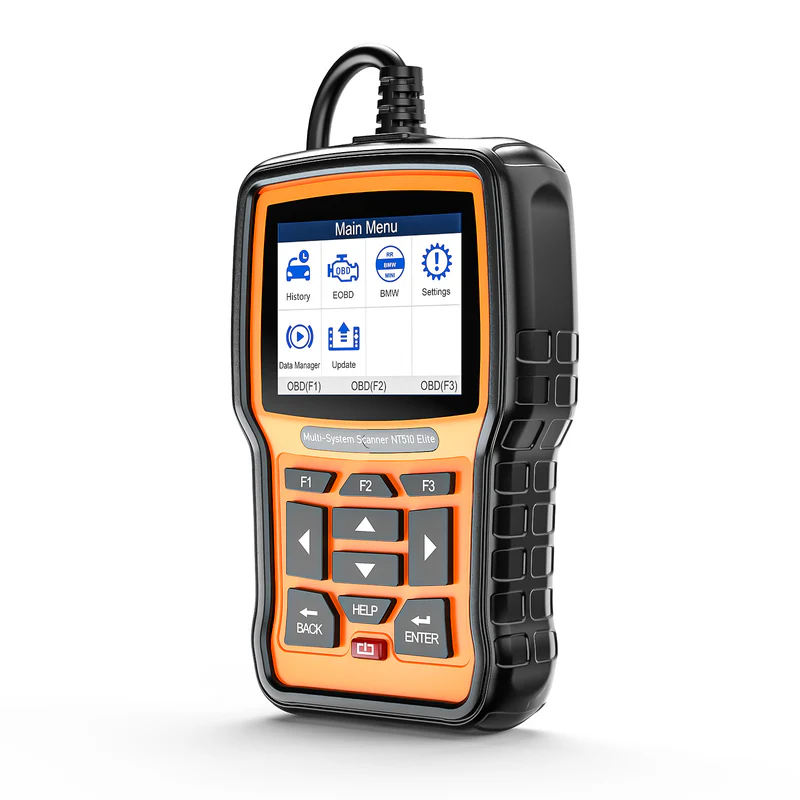
OBDII code readers work on most cars and trucks from 1996 and newer using a standard 16-pin port. OBDII tools also provide more detailed data, like live sensor readings and emissions information, making them more versatile for modern vehicles.
Do heavy-duty trucks use OBD2?
There are 3 main types of diagnostic ports across light and heavy-duty vehicles: the OBDII Port, 6-Pin (J1708) and 9-Pin (J1939). OBDII is typically found across light and medium-duty trucks. 6-pin & 9-Pin are mostly found on the heavy-duty trucks.
What is the best diagnostic tool for semi truck owner operators?
JPRO is much more than a scan tool or code reader — it's the #1 most trusted diagnostic and repair software in the industry. More than 50,000 technicians at top fleets and service centers use JPRO to simplify maintenance for all makes and models of commercial vehicles.

Leave a comment
This site is protected by hCaptcha and the hCaptcha Privacy Policy and Terms of Service apply.