

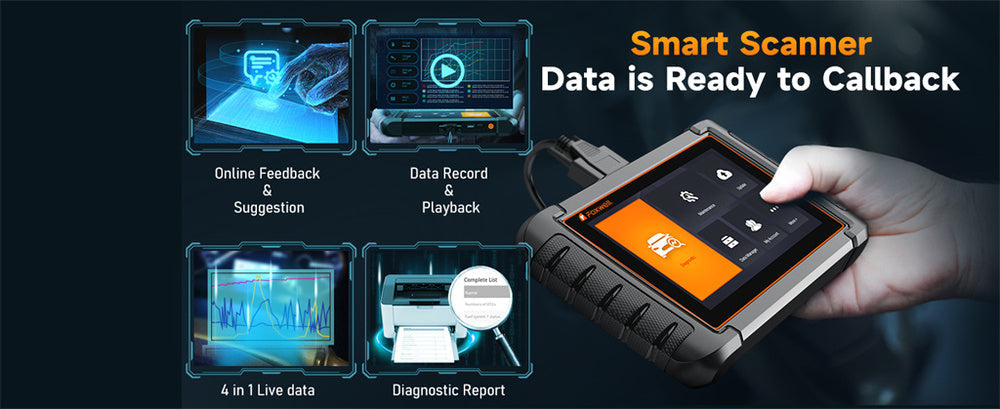
When you connect an OBD2 scanner like the Foxwell NT909 to your vehicle and see "HCAT" pop up, it can be a bit puzzling if you're not familiar with automotive diagnostics.
This term refers to a specific part of your car’s emissions control system, and understanding it can help you maintain your vehicle properly.
What "HCAT" means, why it’s important, and what steps to take if you encounter a related warning.
What Is HCAT?

Important note for scanner users:
When “HCAT” appears on a car scanner, it usually does not indicate a fault code.
In most cases, when viewed on a scanner, HCAT refers to an I/M Readiness monitor showing the emissions system’s self-test status (such as Ready or Not Ready), not a failed part.
"HCAT" stands for Hydrocarbon Adsorber Catalyst, and while that might sound technical, it’s actually pretty straightforward. This term can describe both a real emissions component and, on many OBD2 scanners, the emissions readiness monitor related to that system.
Think of the HCAT as a special filter in your car’s exhaust system that captures harmful gases—specifically hydrocarbons—produced when you first start your engine.
When your engine is cold, it doesn’t burn fuel as efficiently, leading to more unburned fuel, or hydrocarbons, being released.
Normally, these hydrocarbons would go out through the exhaust and into the air, contributing to pollution.
The HCAT steps in by grabbing onto these hydrocarbons and holding them until your engine warms up.
Once your engine reaches its operating temperature, the HCAT releases these gases so they can be processed by the catalytic converter, another part of your car's emissions system. This process helps reduce pollution and keeps your car running cleaner.
Why HCAT Appears on a Code Reader Screen
When you see “HCAT” on a car scanner tool, it is usually shown as part of the vehicle’s I/M Readiness or Emissions Monitor Status, not as a diagnostic trouble code.
Most OBD2 scanners list HCAT alongside other emissions monitors to indicate whether the system has completed its self-check. This is why HCAT often appears with statuses like Ready, Not Ready, or Incomplete, rather than as a P0xxx fault code.
How Does an OBD2 Scanner Detect HCAT Issues?
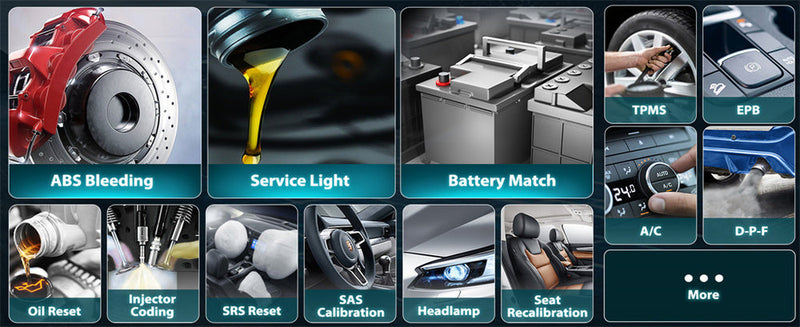
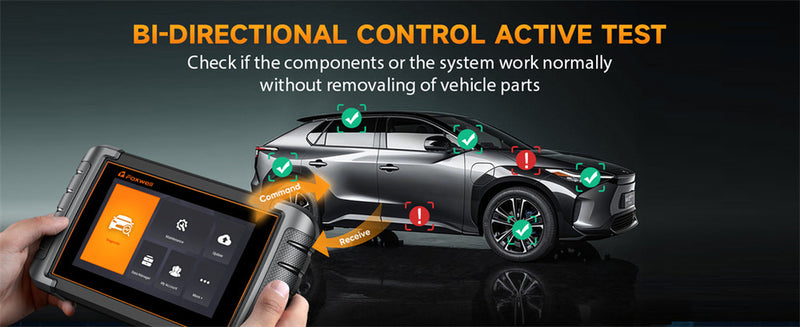
The Foxwell NT909 is a powerful tool that can help you diagnose issues related to the HCAT in your vehicle. It works by connecting to your car’s On-Board Diagnostics (OBD2) system, which constantly monitors the performance of various components, including the HCAT.
When you plug the Foxwell NT909 into your vehicle, it communicates with the car’s computer to read data from sensors that track the efficiency of the HCAT.
 Buy Foxwell NT909 Now
 These sensors measure how well the HCAT is capturing hydrocarbons, the temperature of the exhaust gases, and the overall effectiveness of the catalyst.
If any of these readings are outside the normal range—such as the HCAT not absorbing hydrocarbons properly or not reaching the correct operating temperature—the OBD2 system generates a fault code.
The Foxwell NT909 retrieves these fault codes and displays them on its screen, providing you with detailed information about what might be wrong.
The scanner also offers descriptions and potential causes, making it easier for you to understand the issue and take appropriate action.
HCAT in I/M Readiness: What “Ready” and “Not Ready” Mean
In emissions testing, HCAT is treated as an I/M Readiness monitor, not a fault indicator.
- Ready means the vehicle has completed its self-test for the HCAT-related emissions system.
- Not Ready means the test has not finished yet, not that a component is broken.
In many cases, HCAT shows “Not Ready” because:
- The engine has not gone through a proper cold start
- The required drive cycle has not been completed
- The battery was recently disconnected or codes were cleared
This is especially important for emissions inspections, since a “Not Ready” status may cause a vehicle to fail inspection even if no trouble codes are present.
Common Codes Indicating HCAT Issues
If your Foxwell NT909 scanner or any other OBD2 scanner detects a problem with the HCAT, it will display specific fault codes.
These codes alert you to issues with the HCAT that could affect your vehicle’s emissions. Here are some common codes you might see:
P0420 - Catalyst System Efficiency Below Threshold (Bank 1):
This code suggests that the HCAT isn’t working effectively to reduce emissions. It could indicate that the catalyst isn’t capturing or processing hydrocarbons as it should.
P0430 - Catalyst System Efficiency Below Threshold (Bank 2):
Similar to P0420, this code points to an issue with the HCAT on the other side of the engine (Bank 2), which could lead to higher emissions.
P0421 - Warm Up Catalyst Efficiency Below Threshold (Bank 1):
This code means that the HCAT isn’t operating efficiently during the engine’s warm-up phase, allowing more pollutants to escape.
P0431 - Warm Up Catalyst Efficiency Below Threshold (Bank 2):
Like P0421, but for Bank 2, this code indicates that the HCAT isn’t performing well when the engine is warming up.
P0422 - Main Catalyst Efficiency Below Threshold:
This less common code indicates a general problem with the HCAT’s ability to reduce emissions.
P0423 and P0424 - Catalyst Temperature Below/Above Threshold:
These codes suggest that the HCAT is either not reaching the proper temperature to function correctly or is overheating, which can reduce its effectiveness.
If you encounter any of these codes on your scanner, it’s a sign that the HCAT may be failing or underperforming, which could lead to increased emissions and potentially more significant engine problems.
Important:
These codes do not confirm a failed HCAT by themselves. Further diagnosis is required to determine whether the issue is related to the HCAT, the main catalytic converter, sensors, exhaust leaks, or engine operating conditions.
What to Do If an HCAT Warning Appears

If your car scanner shows an HCAT warning, it’s important to take action to avoid bigger problems down the road. Here’s what you can do:
Check It Out: Start by inspecting the HCAT and related components. Sometimes, the issue could be something simple, like a loose connection or a faulty sensor.
If you’re comfortable with basic car maintenance, you might be able to spot the problem yourself.
Get It Fixed: If the warning persists, it could mean that the HCAT is damaged or not functioning properly. This might require a repair or replacement of the part.
If you’re not sure how to do this, it’s a good idea to take your car to a mechanic.
Ask a Professional: If you’re not confident in diagnosing or fixing the issue on your own, seek help from a professional mechanic.
They have the tools and expertise to accurately identify the problem and ensure it’s fixed correctly.
Prevent Future Problems: To avoid HCAT issues in the future, keep up with regular car maintenance.
This includes oil changes, checking the exhaust system, and making sure your engine is running smoothly. Regular check-ups can help you catch small issues before they turn into bigger problems.
By following these steps, you can ensure that your car remains efficient and within emissions standards, helping protect both your vehicle and the environment.
Important clarification before troubleshooting:
In most cases, there is no such thing as an “HCAT fault code.” Seeing HCAT on a scanner does not automatically mean a repair is needed.
If HCAT appears as Not Ready, the solution is often to:
- Complete the recommended drive cycle
- Allow the engine to fully warm up
- Check for and resolve any related diagnostic trouble codes, if present
Only if a real emissions-related fault code (such as P0420 or P0421) is stored should component-level diagnosis or repair be considered.
Conclusion
there breaks down what the Hydrocarbon Adsorber Catalyst (HCAT) is and why it matters for your car's emissions.
It also dives into how an OBD2 scanner, like the Foxwell NT909, can spot issues with the HCAT and what those codes mean when they pop up.
Plus, it offers some straightforward tips on what to do if you get an HCAT warning, helping you keep your car running clean and smooth.
FAQs
What is HCAT on OBD2 Nissan?
In a Nissan, HCAT is part of the emissions system. The OBD2 monitors it and shows a fault code if it’s not working properly.
What do the codes mean on an OBD2 scanner?
OBD2 codes identify specific issues in your car, such as problems with the HCAT or other components, helping you diagnose the issue.
What is HCAT and AIR on a code reader?
HCAT and AIR are both I/M Readiness monitors used to track emissions-related self-tests. They often appear together on a scanner because they are evaluated under similar driving conditions, especially during cold starts.
- HCAT relates to the vehicle’s hydrocarbon emissions control system
- AIR refers to the Secondary Air Injection System monitor
Seeing both listed as “Not Ready” does not mean both systems have failed. In many cases, it simply indicates that the required drive cycle has not been completed yet.
What does AIR mean on a car scanner?
On an OBD2 scanner, AIR does not mean air flow or outside air. It refers to the Secondary Air Injection System, which helps reduce emissions during cold starts and is monitored as part of the emissions readiness system.
Can I still drive my car with a P0420 code?
A P0420 code usually does not prevent the car from driving, but it indicates reduced catalyst efficiency, which may affect emissions. Prompt diagnosis is recommended.
Can I clear OBD codes myself?
OBD codes can generally be cleared using your scanner, but clearing HCAT or AIR readiness codes does not fix the underlying issue; drive cycles must be completed for proper.

Leave a comment
This site is protected by hCaptcha and the hCaptcha Privacy Policy and Terms of Service apply.