

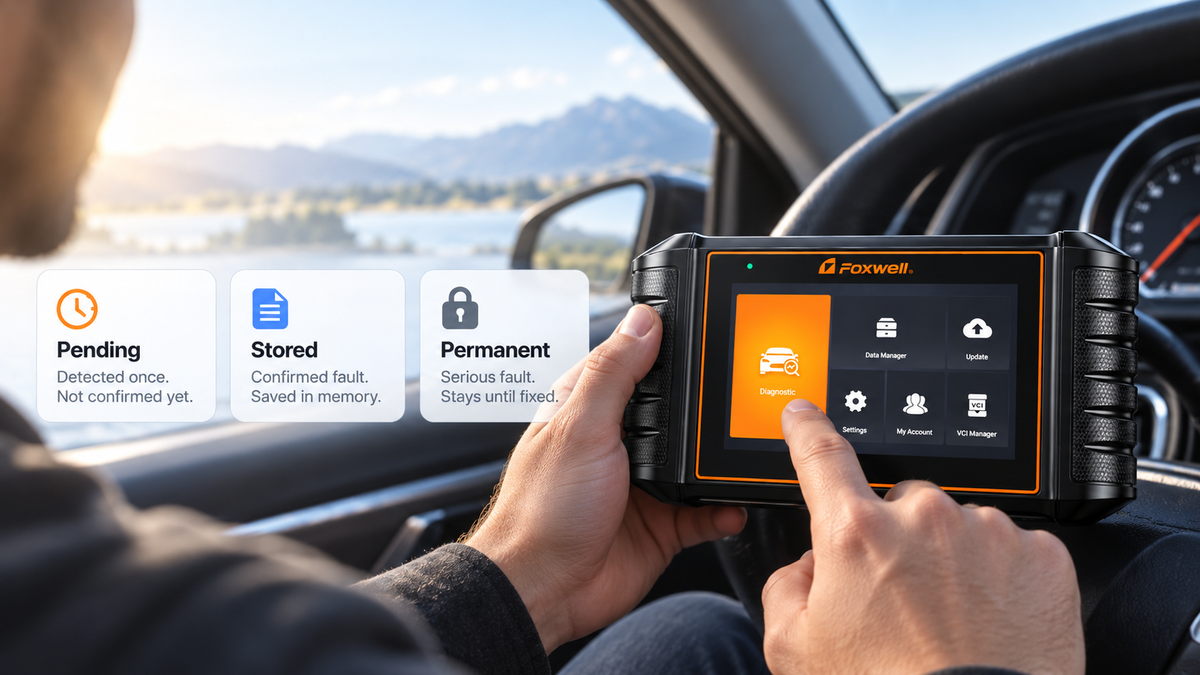
A pending code means your vehicle detected a condition that could set a diagnostic trouble code (DTC), but the fault has not necessarily met the criteria required for a confirmed code. That is why an OBD2 scanner can show a pending DTC even when the Check Engine Light is off. Pending, stored or confirmed, and permanent DTCs describe different states of a diagnostic event. Understanding the difference helps you decide what to check next.
What Does a Pending Code Mean on an OBD2 Scanner?
A pending DTC is a fault detected by a vehicle control module that has not yet satisfied the conditions used to confirm the fault. In plain English, the computer saw something abnormal and is monitoring whether the condition happens again or meets its confirmation criteria.
A pending code does not automatically mean the problem is severe, and it does not mean the vehicle is definitely fixed. The right response is to record the code, check the related system, and see whether the condition returns. The exact confirmation logic varies by vehicle, engine, monitor, and fault.
Common Reasons a Pending Code Appears
- An intermittent misfire or rough running event.
- An EVAP related issue, such as a loose or worn gas cap.
- An oxygen sensor or fuel trim reading that falls outside the expected range.
A cold start or temperature related reading that does not repeat consistently.
An intermittent misfire may not immediately trigger a confirmed code or warning light. Learn what to check when your engine misfires without a check engine light.
ImportantThese are examples, not diagnoses. A DTC points you toward a system or condition, but the code alone does not prove that a specific part has failed. |
Pending vs Stored vs Permanent DTCs
The easiest way to understand these terms is to treat them as different DTC states rather than three completely different kinds of faults. A fault may begin as pending, become stored or confirmed if the required criteria are met, and in some emissions related cases a permanent record can remain until the vehicle verifies the repair.
Typical progression only. If a condition does not recur, a pending DTC may clear according to the vehicle's monitoring logic. Exact behavior varies by vehicle.
|
DTC status |
What it means |
Confirmed? |
Check Engine Light |
Manual clear |
Typical next step |
|
Pending |
A fault was detected, but confirmation criteria may not yet be met. |
Not necessarily |
May be off |
Often possible with a compatible scanner, but the code can return if the fault remains. |
Record the code, diagnose the related system, and rescan. |
|
Stored / Confirmed |
The fault met the vehicle's criteria for a confirmed DTC. |
Yes |
Often on or previously on |
Generally can be cleared with a compatible scanner after the cause is addressed. |
Diagnose and repair the underlying cause. |
|
Permanent |
An emissions related confirmed fault retained for verification after a repair. |
Yes |
Depends on current fault status |
Normally not removable with a standard clear code command. |
Repair the cause and allow the required monitors to run. |
|
Important DTC behavior varies by manufacturer and diagnostic strategy. Do not assume every pending code becomes stored after the same number of drive cycles. |
How Long Do Pending Codes Last?
There is no single number of days, miles, or drive cycles that applies to every pending code. A pending DTC can disappear if the condition does not recur and the vehicle completes the relevant monitoring logic. If the condition returns and meets the vehicle's confirmation criteria, the DTC can become stored or confirmed.
The timing is condition based rather than a simple countdown. Different monitors need different operating conditions before they can run again, so some faults may be rechecked sooner than others. If the same pending code keeps returning, investigate the cause instead of waiting for it to disappear.
How to Clear Pending Codes?
Before clearing a pending DTC, record the code and any available freeze frame or live data. Clearing the code does not repair the condition that caused it.
Option 1: Fix the Cause and Let the Code Self Clear
- Read and record the pending code along with any related stored or confirmed codes.
- Inspect or test the system identified by the DTC and address the underlying cause if a fault is confirmed.
- Drive the vehicle under normal conditions so the relevant monitors can run again.
- Rescan the vehicle to see whether the pending code has cleared or returned.
Option 2: Clear It With an OBD2 Scanner
- Connect a compatible OBD2 scanner and read the DTCs
- Save the code, freeze frame, and live data you may need for diagnosis.
- Use the scanner's erase or clear function if clearing is appropriate for the vehicle and repair procedure.
- Drive the vehicle and scan again to verify whether the code returns.
|
Battery disconnect Disconnecting the battery is not a good first choice for clearing a DTC. It may reset additional settings or learned data, and it does not fix the underlying fault. |
What Does an OBD2 Permanent Code Mean?
A permanent DTC is an emissions related confirmed fault record that is designed to remain available until the vehicle verifies that the underlying problem has been repaired. A standard clear code command does not normally remove it.
After the repair, the vehicle must complete the appropriate self tests or drive cycle conditions. When the relevant monitor runs and passes according to the vehicle's criteria, the permanent code can eventually clear on its own. This is different from a stored code that can generally be erased with a compatible scan tool after the fault has been addressed.
|
Key takeaway If the repair is successful, a permanent DTC can remain temporarily because the vehicle still needs to verify the repair. The code should be judged together with current fault status and readiness monitor results. |
Can a Stored Code Exist Without a Check Engine Light?
Yes. A stored DTC and the current state of the Check Engine Light are related, but they are not the same piece of information. A vehicle can retain diagnostic information after the light has turned off, or when an intermittent fault is no longer active, depending on the vehicle's diagnostic strategy and fault history.
This is why a scan is useful when investigating an intermittent problem or checking a used vehicle. Do not rely only on whether the dashboard light is illuminated. Review stored and pending codes together with available freeze frame data, live data, and I/M readiness information.
How to Check Pending, Stored, and Permanent DTCs With an OBD2 Scanner?
1. Connect the scanner to the vehicle's OBD2 diagnostic port.
2. Turn the ignition on and follow the scanner's vehicle selection prompts.
3. Run the DTC scan or open the Read Codes menu.
4. Review the status of each code: pending, stored or confirmed, and permanent when supported.
5. Review freeze frame data and live data when available.
6. Record the codes before clearing them.
7. After repairs, drive the vehicle and rescan to verify whether the fault returns and whether the relevant monitors have completed.
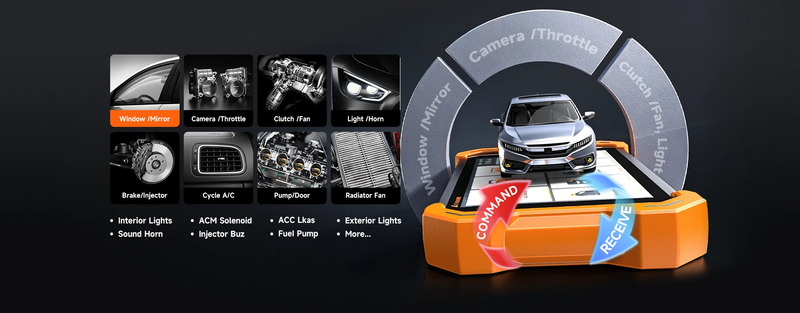
A basic OBD2 code reader can handle many engine related code checks. A more advanced scanner can add full system diagnostics, live data graphing, and active tests when supported, which becomes useful once you need to diagnose beyond the initial DTC.
Recommended Foxwell Scanner for DTC Diagnosis
Foxwell NT710
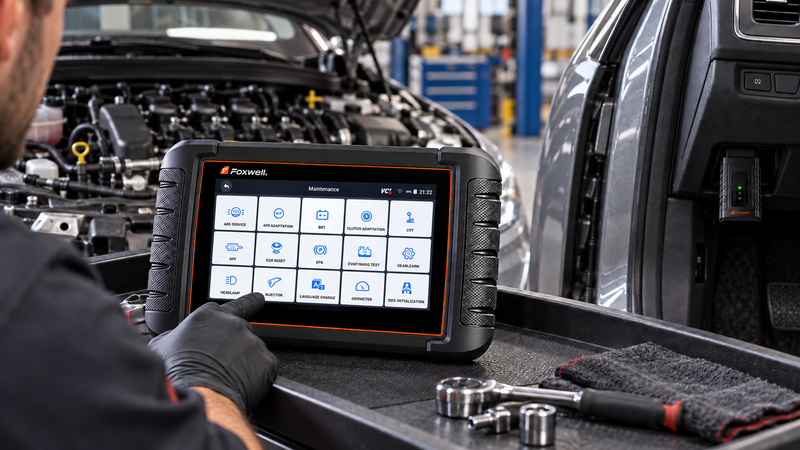
For readers who need more than a basic code reader, the Foxwell NT710 fits this workflow with full system diagnostics, DTC reading and clearing, live data graphing, bi directional control, 30+ service functions, and lifetime free updates. Function availability varies by vehicle, so compatibility should be checked before purchase.

FAQs
Will a pending code clear itself?
Yes. A pending code can clear itself if the fault does not return and the vehicle completes the required monitoring conditions.
How long does it take for a pending code to go away?
There is no fixed time or mileage. A pending code may disappear after the relevant monitor runs without detecting the fault again, but the exact timing varies by vehicle and fault.
Will a check engine light come back on after clearing code?
Yes, if the underlying problem is still present. The check engine light can come back on once the vehicle detects the fault again and the code meets the criteria to trigger the MIL.

Leave a comment
This site is protected by hCaptcha and the hCaptcha Privacy Policy and Terms of Service apply.