

If your car suddenly doesn't start due to an immobilizer system issue, it can be highly distressing and complex to resolve.
Immobilizers are essential components for vehicle security but sometimes malfunction due to critical problems, electrical glitches, or after battery replacements - knowing how to reset an immobilizer quickly may save time on visits to mechanics - here is a step-by-step guide that walks through this process!
What Is an Immobilizer and How Does It Work?

At its core, an immobilizer is a security feature in most modern vehicles that prevents their engine from starting without the correct key.
It communicates with a chip in your car key (or fob) via radio frequency identification (RFID), communicating any non-compliance through RFID tags within its range with this system preventing starting your engine without providing proper authorization from you or an authorized key - effectively deterring theft as hot-wiring of the vehicle is effectively made impossible or using unauthorized keys - in essence, acting as a bodyguard for engine starting.
However, this sophisticated system can have glitches; sometimes, the immobilizer may prevent your car from starting even with the correct key - that's when resetting is handy! In addition, understanding how your immobilizer communicates with its ECU is vital in diagnosing any issues.
Common Reasons for Needing an Immobilizer Reset
So why would an immobilizer reset become necessary? One common cause may be critical issues: you recently had your critical battery die, replaced the key fob, or experienced any type of electrical glitch, as these minor disturbances often cause immobilizer synchronization issues between keys and their respective immobilizer systems to shift out of sync with each other and require a reset.
Battery disconnection could also trigger it; replacing or disconnecting car batteries could activate its alarm system and need a reset.
Sometimes, wear and tear on the ignition system can lead to immobilizer issues, ranging from a broken ignition switch or transponder critical malfunction to updating software affecting its settings, causing havoc with immobilizer settings. Recognizing what caused it will save time and avoid further frustration.
Model-Specific Scenario: Push-Button Start Cars After Battery Replacement
On some keyless or push-button start vehicles (such as the 2019 Honda Accord LX), replacing the car battery may lead to a no-start condition accompanied by a flashing red immobilizer warning light. This issue is commonly caused by a temporary loss of synchronization between the immobilizer system and the key fob after battery power is disconnected.
The following insights are organized from a real user discussion on Reddit in the Honda community, where owners shared practical experiences with immobilizer issues after battery replacement. (Source: Reddit – r/Honda)
Practical (Unofficial but Proven) Methods
- On certain models, pressing and holding the radio or infotainment power button for approximately 5 seconds may trigger a system reset.
- Manually locking the vehicle and then unlocking it again using the key fob has also been reported to restore immobilizer communication in some cases.
Important Notes
- The ability to lock or unlock the doors with a key fob does not guarantee that the vehicle will start.
- A physical key backup is especially important for push-button start vehicles in case the key fob battery becomes weak or fails.
- If these methods do not resolve the issue, immobilizer reprogramming using professional diagnostic tools or a visit to a dealership may be required.
Step-by-Step Guide: How to Reset an Immobilizer
Now, let's get down to business: how to reset an immobilizer. Depending on the car's make and model, you can take various approaches, one of which involves using its key fob and ignition system.
- Turn On the Ignition: Insert the key into the ignition and turn it to "on" without starting your car yet to allow the immobilizer to recognize that the correct key has been used. This lets the immobilizer know which keys have been registered as valid keys.
- Wait for the Immobilizer Light: Most cars feature an immobilizer indicator light. Wait until this light flashes, turns solid, or blinks rapidly (depending on your vehicle), indicating that its immobilizer has reset. This signal shows that your immobilizer system is being reset.
- Turn off the Ignition: After 10 to 15 minutes, switch your ignition back off. Do this several times more to reset the immobilizer system fully.
Once the immobilizer has been reset, attempt to start up your vehicle. If everything goes according to plan, your engine should start without issue.
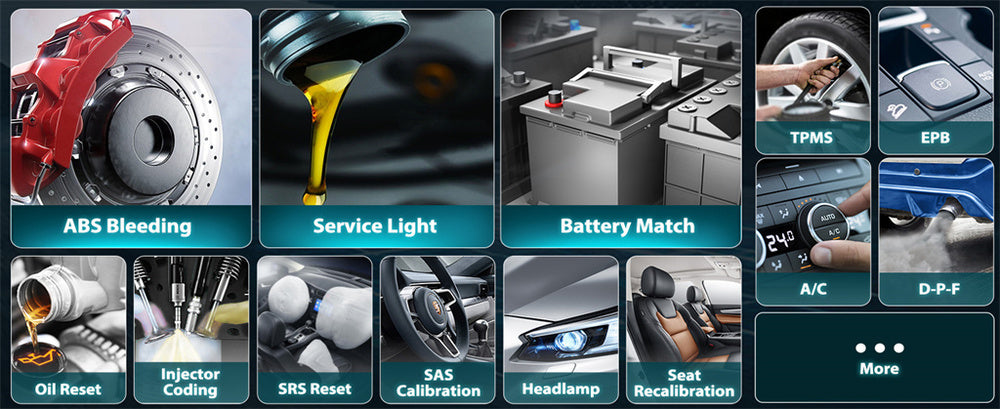
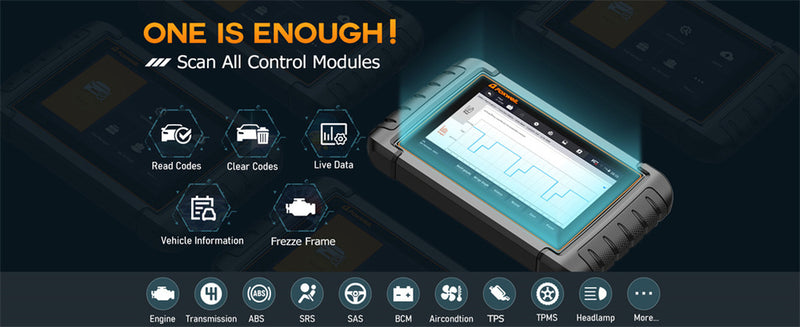
Foxwell NT809TS OBD2 scanner connects directly to your car's diagnostic port and communicates directly with its ECU, making resetting the immobilizer system simple: just tap once on the screen for the reset process to complete quickly and reliably compared to manual methods. Plus, this all-in-one diagnostic tool makes your job much simpler!
What Does the Immobilizer Warning Light Mean?
What Does Immobilizer System Service Required Mean?
Tools Needed to Reset an Immobilizer
Resetting an immobilizer doesn't usually require complex tools, but having a few critical items on hand can make the process smoother. At a minimum, you will need your car key - an additional key can come in handy should your primary one malfunction!
If your immobilizer issue persists, an OBD2 scanner is an indispensable asset. These tools communicate with the car's ECU and, in certain instances, can allow users to reset immobilizers directly via its interface. Furthermore, some premium models even provide detailed diagnostic reports, saving valuable time spent at mechanics.
For more complex scenarios, especially on brands such as Ford, Volkswagen, BMW, and Toyota, a professional‑grade scanner is often required. Tools like the Foxwell NT909 are designed for these situations, offering:
- IMMO and key programming support for compatible vehicles
- Full‑system diagnostics to identify ECU, BCM, or communication faults
- Guided functions for VAG models, reducing the risk of incorrect procedures
- Detailed diagnostic reports, useful for both DIY troubleshooting and professional repair decisions
Using a capable scanner like the NT909 not only improves the success rate of immobilizer resets but also helps users determine when a simple reset is sufficient — and when full reprogramming or professional service is unavoidable.
Immobilizer vs Anti-Theft System: Are They the Same Thing?
No, an immobilizer and a vehicle anti-theft system are not the same — the immobilizer is often a core component of a broader anti-theft system, and the two terms cannot be used interchangeably.
| Component | Core Function | Key Features |
|---|---|---|
| Immobilizer | Engine startup authorization | Prevents the engine from starting unless a recognized transponder key is detected; works independently to block ignition. |
| Anti-Theft System | Comprehensive vehicle security | A full-system solution that may include alarms, door locking logic, motion/intrusion sensors, and the immobilizer as one of its parts. |
How to Tell If an Immobilizer Problem Is Temporary or a Hardware Failure
To fix an immobilizer problem, first determine whether it is a temporary synchronization issue or a hardware fault. A reset or relearn may fix temporary key recognition problems, while a faulty key, antenna, wiring, or control module usually requires further diagnosis.
Some immobilizer issues are temporary synchronization problems that a reset can fix — others are hardware or programming faults where repeated resets won’t help.
Temporary Immobilizer Issues (A Reset Is Usually Enough)
An immobilizer problem is more likely temporary if:
- The issue appeared right after a battery replacement or battery disconnect
- The immobilizer warning light blinks normally and then turns off
- The car starts intermittently after waiting or retrying
- No immobilizer-related fault codes remain after clearing
In these cases, the problem is often key–ECU desynchronization, and a standard reset or relearn procedure usually works.
Hardware or System-Level Failures (Reset Usually Won’t Fix It)
An immobilizer problem is more likely hardware-related if:
- The immobilizer light stays solid or flashes abnormally
- The car does not recognize any key, including a spare
- Fault codes return immediately after reset
- The issue appeared without any battery or electrical work
Common causes include:
- Failed transponder key
- Faulty immobilizer antenna or reader coil
- ECU or body control module (BCM) communication errors
In these situations, repeated resets only waste time. Diagnostic tools or professional reprogramming are required.
Decision Rule (Quick Judgment)
- Reset works once and symptoms disappear → Temporary issue
- Reset fails or problem returns immediately → Hardware or programming fault
Immobilizer Reset Differences by Vehicle Brand (Quick Reference)
| Vehicle Brand | Can a Basic Reset Work? | Typical Requirement | Practical Advice |
|---|---|---|---|
| Toyota | Sometimes | Key relearn or ECU synchronization | Battery-related desync may be reset; scanner often required |
| BMW | Rarely | CAS/EWS module programming | Manual reset usually ineffective; OBD2 diagnostic tools needed |
| Nissan | Sometimes | Key–ECU reprogramming | Reset may work after battery issues; faults often return |
| Honda | Sometimes | Immobilizer relearn procedure | Some models support relearn; scanner improves success |
| Mercedes-Benz | Rarely | Dealer-level immobilizer programming | Proprietary systems; reset alone rarely works |
Important Note:
Immobilizer behavior varies significantly by model year and system generation.
This table is intended for decision guidance, not as a step-by-step reset instruction.
When in doubt, a diagnostic scan is more reliable than repeated manual reset attempts.
Tips and Warnings for Resetting an Immobilizer
While resetting an immobilizer is relatively straightforward, you should keep a few important things in mind before initiating any immobilizer resets.
First, always double-check your key fob battery before beginning any reset attempts, as this could be the source of your car not starting rather than its immobilizer itself.
Also, ensure all electrical components in your vehicle, such as lights and radio, are operating as expected, as this could indicate larger electrical issues beyond simply an immobilizer reset.
Avoid disconnecting and reconnecting the battery multiple times in hopes that this will fix the immobilizer, as this can further disorient your ECU and lead to further problems with the immobilizer.
If resetting has proven unsuccessful, professional assistance or an advanced OBD2 scanner may be needed to diagnose the issue accurately.
As with any process, don't rush. When using the ignition reset method, give the immobilizer system the time it needs to reset; cutting this time short could result in failed reset attempts.

Professional Help Is Recommended When Resetting an Immobilizer
DIY methods of resetting immobilizers often work, but occasionally, more complex issues require professional intervention. If, after following all the steps, your car still refuses to start, the ECU or key may have become severely damaged.
Professional advice should always be sought when there is evidence that its system has been severely compromised, for instance, after electrical work or an accident.
Suppose your luxury vehicle features an advanced immobilizer system, like those in luxury brands. In that case, resetting may require visiting a dealership or a specialist mechanic with access to the proprietary tools and software needed for immobilizer resets.
They will also have access to tools that reprogram or replace transponder chips as necessary and resolve ECU-related problems.
How to Remove Immobilizer From Car Without Key?
If you are looking for how to remove immobilizer from car without key, the short answer is that most modern vehicles cannot have the immobilizer system simply removed or disabled without a programmed key or authorized access to the vehicle’s security system.
The immobilizer is designed to prevent unauthorized starting by communicating with components such as the transponder key, immobilizer module, ECU, and BCM. Removing or bypassing it is not usually a standard repair procedure.
If you have lost your only key, the recommended solutions are:
Get a replacement transponder key
A new key with the correct chip must be programmed to communicate with the vehicle’s immobilizer system.
If you're replacing a key, learn more about OBD2 scanner key programming and what to check before programming a new key.
Perform immobilizer key programming or relearning
Many vehicles require a key learning procedure to synchronize the new key with the immobilizer system.
If a new key needs to be registered, see how to program car keys with a scanner on supported vehicles.
Use a compatible diagnostic scanner or professional service
Advanced diagnostic tools can perform supported functions such as key programming, immobilizer reset, or module synchronization. However, they cannot bypass security protections on every vehicle.
In most cases, the solution is not to remove the immobilizer but to restore communication between the vehicle and a valid programmed
When a Reset Is Enough — and When It’s Not
A reset may fix temporary immobilizer issues, but it is not the same as a relearn or reprogramming. A relearn restores recognition between the key and vehicle, while immobilizer reprogramming may be required when a new key or certain immobilizer-related modules need to be registered.
A basic immobilizer reset may be sufficient if:
- the issue occurred after a battery replacement
- the key is known to be functional
- the immobilizer warning light behavior is consistent with a temporary sync issue
However, a reset is not enough when:
- the immobilizer light stays on continuously
- multiple keys fail to start the vehicle
- the problem returns immediately after reset
In these cases, using an OBD2 scanner capable of communicating with immobilizer-related modules can help identify whether the issue is key-related, ECU-related, or system-level. If diagnostic access is limited or manufacturer-specific programming is required, professional assistance is recommended.
Attempting repeated resets without diagnosis can waste time and potentially complicate the repair process.
Conclusion
Resetting your immobilizer may be frustrating, but it can be simple. By following these steps, you can successfully troubleshoot and reset the immobilizer on your own, saving time and potentially expensive mechanic visits.
Whether using a manual reset method or a more efficient OBD2 scanner such as the Foxwell NT809TS scanner for OBD2, having access to tools and knowledge quickly gets you back on the road. But if the issue persists, don't hesitate to seek professional assistance for a more comprehensive diagnosis.
FAQs
Will disconnecting the battery reset the immobilizer?
Disconnecting the battery can sometimes reset the immobilizer, but it’s not a reliable solution. In many cases, you may need to perform a proper reset procedure or use an OBD2 scanner.
How much does it cost to reprogram an immobilizer?
| Scenario | Cost Range | Performed By | Applicable Cases | Key Details |
|---|---|---|---|---|
| Basic Reset (No Parts Needed) | $0–$50 | DIY / Basic Repair Shop | Battery-related desynchronization | Manual relearn or basic OBD2 reset |
| Immobilizer Reprogramming (Keys or ECU) | $100–$300 | Locksmith / Independent Repair Shop | Key-ECU mismatch, single key loss | Includes key relearn & ECU/BCM synchronization |
| Dealer Immobilizer Programming | $200–$500+ | Car Brand Dealer | Need for proprietary software, all keys lost, ECU replacement | Relies on brand-exclusive tools and data |
When a Diagnostic Scanner Saves Money?
Using a capable OBD2 scanner can:
- Identify whether the issue is resettable
- Prevent unnecessary locksmith or dealer visits
- Reduce trial-and-error costs
What causes an immobilizer to stop working?
Common causes include a dead key fob battery, a faulty key, issues with the car's ECU, or wiring problems in the immobilizer system.
Can You Keep Driving with the Immobilizer Light On?
In most cases, no. If the immobilizer is actively engaged, the vehicle will not allow the engine to start or continue running. Unlike some warning lights, this is not a “drive and monitor” situation.
How to turn off engine immobilizer?
Most factory immobilizers cannot be permanently turned off through a normal vehicle setting. If the immobilizer is preventing the engine from starting, try the spare key, check the key fob and vehicle battery, and scan the vehicle for immobilizer or communication fault codes. Depending on the cause, the system may need a key relearn, immobilizer reset, or professional reprogramming rather than being disabled.
Where is the Nissan immobilizer reset button located?
Most Nissan vehicles do not have a dedicated immobilizer reset button. If the immobilizer is preventing the vehicle from starting, the correct procedure depends on the model and year and may involve using a spare key, checking the key fob battery, cycling the ignition, or performing a key or immobilizer relearn with a compatible diagnostic tool.
What Does IMMO Authentication Failed Mean?
IMMO Authentication Failed means the vehicle could not verify the key or complete communication between the immobilizer system and related control modules. Common causes include an unrecognized key, a weak key fob or vehicle battery, lost key programming, wiring or antenna issues, or a communication fault between the immobilizer, BCM, and ECU. Scan for related fault codes before attempting a relearn or reprogramming procedure.

Leave a comment
This site is protected by hCaptcha and the hCaptcha Privacy Policy and Terms of Service apply.